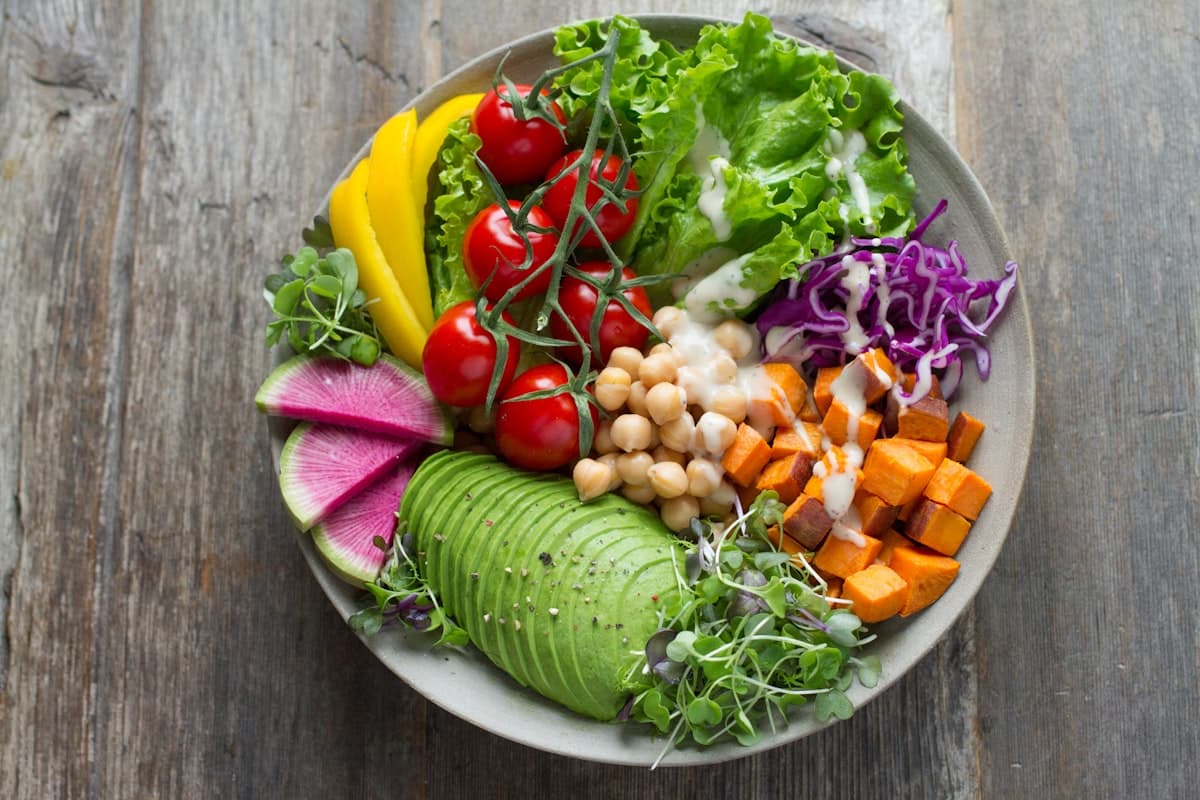
Anti-Inflammatory Diet: What to Eat to Get Sick Less Often
Imagine your body is a house where renovations are going on all the time. Hammers, saws, dust - a constant hum in the background. That's exactly what chronic inflammation looks like. It doesn't hurt, it doesn't scream, but day after day it destroys the foundations of your health.
You may not see it with the naked eye, but chronic inflammation is the cause of many problems: more frequent infections, joint pain, chronic fatigue, weight issues, and in the long term - heart disease, diabetes, and even cancer. Sounds serious? Because it is serious.
But there's good news: your diet can either be fuel for this inflammation or an effective fire extinguisher. And that's exactly what I want to have an honest conversation with you about today.
What is inflammation and why can it be a problem?
Before we head to the kitchen, a quick explanation. Inflammation is a natural defence mechanism of the body. Sprain your ankle? Swelling, redness, pain appear - that's acute inflammation. Immune cells fight the damage, repair tissue. That's a good thing.
The problem starts when this inflammation becomes chronic - lasting weeks, months, years. It's no longer a reaction to a specific threat. It's a quiet, low-level fire smouldering in your body. You don't feel it clearly, but it slowly damages blood vessels, joints, tissues.
Where does chronic inflammation come from?
There are many causes, but the most common are:
- A diet full of processed food - sugar, trans fats, refined carbohydrates
- Excess weight and obesity - fat tissue produces pro-inflammatory substances
- Chronic stress - cortisol constantly at a high level
- Lack of exercise - sedentary lifestyle
- Sleep disturbances - the body doesn't have time to regenerate
- Smoking and alcohol
As you can see, most of these factors are within your control. And that's what gives hope.
What does "anti-inflammatory diet" actually mean?
Alright, let's talk honestly. There's no single magic diet that will suddenly cure you of all ailments. I won't sell you a set of supplements for a thousand euros or tell you to eat nothing but celery for a month.
An anti-inflammatory diet is simply a way of eating that:
- Provides your body with ingredients that suppress inflammation
- Minimises products that fuel it
- Supports natural defence mechanisms
- Improves gut microbiota composition (yes, the bacteria in your gut matter enormously!)
And the best part? It's not a restrictive diet at all. It's more of an intelligent choice about what ends up on your plate.
Foods that help - your shopping list
Let's start with what's worth eating. No exotic superfoods from the Himalayas - just products you can buy at any shop.
1. Oily sea fish - omega-3 in action
These are the true stars of the anti-inflammatory diet. Salmon, mackerel, herring, sardines - all rich in omega-3 fatty acids (EPA and DHA), which have proven anti-inflammatory effects.
How much to eat? Ideally 2-3 portions per week. A portion is about 100-150 g.
Practical tip: If fresh fish is expensive, herring in oil or tinned sardines are an excellent (and cheap!) alternative. Check prices on CheaperForDrug - sometimes the price difference for omega-3 supplements is up to 50% between pharmacies.
What do they provide?
- Lower levels of pro-inflammatory cytokines (substances responsible for inflammation)
- Protect the heart and blood vessels
- Support brain function
- Ease joint pain
2. Cruciferous vegetables - natural detox
Broccoli, cauliflower, cabbage, Brussels sprouts, rocket - these vegetables contain sulforaphane, which has anti-inflammatory effects and supports the liver in detoxification.
How much to eat? At least one portion daily (roughly a cup of chopped broccoli or cabbage).
How to prepare? Best steamed, blanched, or lightly stir-fried. Don't cook until soft - they lose some of their valuable nutrients.
Tip: If you have thyroid issues, don't overdo raw cruciferous vegetables (they can inhibit iodine absorption). After cooking, this effect is significantly reduced.
3. Berries and dark red fruits - anthocyanins
Blueberries, raspberries, strawberries, blackcurrants, cherries, chokeberries - all these fruits contain anthocyanins, powerful antioxidants with anti-inflammatory effects.
How much to eat? Half a cup daily is a great result. Frozen berries have almost as many nutrients as fresh - and are available year-round.
Bonus: Studies show that regular berry consumption can improve memory, lower blood pressure, and reduce the risk of heart disease.
4. Green leafy vegetables - magnesium and vitamins
Spinach, kale, rocket, romaine lettuce - these are true nutritional powerhouses. Full of magnesium, vitamin K, folate, beta-carotene.
How much to eat? Ideally daily - in salads, smoothies, as a side dish.
Practical trick: Add a handful of spinach to a smoothie with banana and berries. You won't taste it, but your body will get loads of valuable nutrients.
5. Nuts and seeds - healthy fats
Walnuts, almonds, hazelnuts, flaxseed, chia, pumpkin seeds - all rich in omega-3, magnesium, vitamin E, and fibre.
How much to eat? A small handful daily (about 30 g). That's roughly 7-10 walnuts or 20-25 almonds.
Note: Nuts are calorie-dense - easy to overeat. Measure portions, especially if you want to lose weight.
6. Extra virgin olive oil - polyphenols
It's not just a healthy fat - it's a source of oleocanthal, a compound with effects similar to... ibuprofen! A natural anti-inflammatory agent.
How much to use? 2-3 tablespoons daily on salads, vegetables, as an addition to dishes (but don't fry with it - best added at the end).
How much does your basket cost?
See how much your basket costs across pharmacies — free, no registration
Compare pricesHow to choose? Look for "extra virgin", "cold pressed" on the label. The darker the bottle, the better (protects the oil from light).
7. Spices - turmeric, ginger, garlic
These are the true superheroes of the anti-inflammatory diet.
Turmeric: Contains curcumin - one of the most potent natural anti-inflammatory compounds. The problem? Poor absorption. The solution: eat it with black pepper (piperine increases absorption by up to 2000%!) and a little fat.
Ginger: Great for nausea but also for inflammation. Add it to tea, smoothies, Asian dishes.
Garlic: The fresher the better. Crushed or chopped garlic releases allicin - a compound with anti-inflammatory and antibacterial effects.
8. Green tea - EGCG polyphenols
Contains epigallocatechin gallate (EGCG) - a powerful antioxidant. Drink 2-3 cups daily. Without sugar!
Tip: Don't brew with boiling water - water at 70-80°C preserves more valuable nutrients.
9. Fermented products - microbiota
Kefir, natural yoghurt, sauerkraut, pickles, kimchi - these provide probiotics that support gut health. And healthy guts mean less inflammation throughout the body.
How much to eat? Something fermented every day - even half a cup of kefir or a spoonful of sauerkraut.
10. Dark chocolate - yes, really!
Contains flavonoids with anti-inflammatory effects. But note - it must be dark (minimum 70% cocoa) and eat only a little - 20-30 g per day is the maximum.
What to avoid - the "fire-starters" list
Now the harder part. There are products that fuel inflammation like petrol on a fire. The less of them you eat, the better.
1. Sugar and sweets
This is enemy number one. Sugar causes sudden insulin spikes, activates inflammatory processes, and feeds "bad" bacteria in your gut.
What to cut back:
- Sweets, cakes, biscuits
- Sugary drinks (cola, juices, energy drinks)
- Hidden sugar in "health" products (bars, muesli, flavoured yoghurts)
Practical tip: Read labels. If the ingredients include "glucose-fructose syrup", "corn syrup", "maltodextrin" - those are forms of sugar.
2. Trans fats and hydrogenated vegetable fats
The most pro-inflammatory fats that exist. Fortunately they're less common now, but still present.
Where they hide:
- Fast food (chips, nuggets)
- Ready-made cakes, industrial biscuits
- Some margarines (read labels)
- Crisps, snacks
Look for on the label: "partially hydrogenated vegetable oil", "hydrogenated fat" - avoid like the plague.
3. Refined carbohydrates
White bread, white rice, white pasta - all of this quickly turns into sugar in the body. The result? Insulin spikes, inflammation, weight gain.
Swap for:
- Wholegrain bread (the real deal - read the ingredients!)
- Brown rice, wild rice, quinoa
- Wholegrain pasta
- Grains: buckwheat, millet, oats
4. Processed meat
Sausages, hot dogs, bacon, canned ham - full of salt, preservatives, and pro-inflammatory compounds.
What about red meat? You don't need to eliminate it entirely, but limit to 1-2 times a week. Choose lean, high-quality meat.
Better protein sources:
- Fish (especially oily)
- Poultry (chicken, turkey)
- Eggs (yes, they're healthy - let's stop being afraid of them!)
- Legumes (lentils, chickpeas, beans)
5. Alcohol - in moderation or not at all
Alcohol irritates the gut, burdens the liver, and leads to inflammation. An occasional glass of wine probably won't hurt, but regular drinking is a bad idea.
If you drink: Choose red wine (contains resveratrol - an antioxidant), maximum 1 glass daily for women, 2 for men. But less often is better.
6. Vegetable oils high in omega-6
Sunflower oil, corn oil, soybean oil - these contain a lot of omega-6, which in excess acts pro-inflammatorily (especially when omega-3 is deficient).
Better options:
- Olive oil (for salads)
- Coconut oil or clarified butter (for frying)
- Rapeseed oil (better omega-6 to omega-3 ratio)
What does it look like in practice? A sample day
Theory is theory, but how do you manage this day-to-day when you have work, family, zero time? Here's a sample day on the anti-inflammatory diet.
Breakfast
Porridge with berries and nuts:
- Oat flakes (wholegrain) - 1/2 cup
- Plant-based or regular milk - one cup
- Handful of blueberries or raspberries (frozen is fine)
- Handful of chopped walnuts
- Teaspoon of ground flaxseed
- Pinch of cinnamon
Green tea (no sugar)
Mid-morning snack
Natural snack:
- Apple + 10 almonds
- OR: Natural kefir with a pinch of turmeric and pepper
Lunch
Salmon with vegetables and grains:
- Baked or grilled salmon - 120-150 g
- Buckwheat - one portion (3-4 tablespoons dry)
- Steamed broccoli with olive oil and garlic
- Salad: rocket, tomato, cucumber, olive oil, lemon juice
Afternoon snack
Quick snack:
- Carrot and pepper sticks with hummus (chickpea paste)
- OR: 3-4 squares of dark chocolate (70% cocoa) + green tea
Dinner
Light but satisfying:
- Vegetable soup (no thickener!) - lots of vegetables, olive oil added at the end
- Slice of wholegrain bread
- Sauerkraut (a spoonful)
OR:
- Scrambled eggs with spinach and tomatoes
- Slice of wholegrain bread
- Natural yoghurt
All-day hydration: 1.5-2 litres of water, herbal teas, green tea.
Frequently asked questions (and honest answers)
Do I have to follow this diet 100% of the time?
No. Life's too short to give up all pleasures. The 80/20 rule works great - 80% of the time eat according to the principles, 20% allow yourself exceptions. Pizza on Friday night? OK. Cake at a birthday? Sure. It's about the overall direction, not perfection.
How long until I feel a difference?
It varies greatly. Some people feel improvement after just 2-3 weeks (more energy, better sleep, less joint pain). Others need 2-3 months. Remember - this isn't a miracle diet. It's a long-term lifestyle change.
Will an anti-inflammatory diet help me lose weight?
Often yes - but not because it has some magic fat-burning properties. You simply eliminate junk food, eat more vegetables, fibre, protein. Your appetite normalises, you have fewer hunger pangs. Side effect: you shed extra kilos.
What about supplements?
Ideally everything would come from food. But in practice? Sometimes supplementation makes sense.
Worth considering:
- Omega-3 (if you don't eat fish regularly) - 1000-2000 mg EPA+DHA daily
- Vitamin D (especially in autumn and winter) - 2000-4000 IU daily
- Turmeric extract (with piperine) - if you don't use it in cooking
- Probiotics (if you have gut issues)
Where to buy for less? Prices for omega-3 or vitamin D supplements can differ by 40-60% between pharmacies. It's worth comparing on CheaperForDrug before buying - over a year you can save a significant amount.
Is this diet safe for everyone?
For most people - yes. It's simply healthy, balanced eating. But if you have specific conditions (kidney disease, liver disease, clotting disorders, thyroid problems) - talk to your doctor or dietitian before making major changes.
Not just diet - what else helps?
Food accounts for 70-80% of success. But the remaining 20-30% matters too:
1. Exercise
You don't need to run a marathon. 30 minutes of walking daily, stretching exercises, yoga is enough. Exercise lowers pro-inflammatory cytokine levels.
2. Sleep
7-9 hours of quality sleep is foundational. During sleep the body regenerates, repairs damage, calms inflammation. Too little sleep = more inflammation.
3. Stress
Chronic stress is fuel for the fire of inflammation. Relaxation techniques (breathing exercises, meditation, hobby time) really work. They're not "woo-woo" - they're backed by science.
4. Social connections
This might surprise you, but studies show that good relationships with people reduce pro-inflammatory cytokine levels. Loneliness and isolation have the opposite effect.
Practical tips for getting started
Don't change everything overnight. That's a recipe for failure and frustration. Instead:
Week 1: Add
- Eat fish 2 times a week
- Add a handful of nuts or seeds daily
- Drink green tea instead of coffee (at least once a day)
Week 2: Swap
- White bread -> wholegrain
- White rice -> brown rice or grains
- Sunflower oil -> olive oil
Week 3: Reduce
- Sweets to 2-3 times a week (small portions)
- Processed meat to once a week (or not at all)
- Fast food - maximum once a week
Week 4: Increase vegetables
- Salad or coleslaw with every lunch
- Steamed or roasted vegetables for dinner
- Smoothie with green vegetables for breakfast or an afternoon snack
After a month you'll see - it really isn't that hard. And the results? Worth every effort.
When to see a doctor?
An anti-inflammatory diet is a great tool, but it won't replace diagnosis and treatment. See a doctor if:
- You have persistent joint pain that won't go away
- You feel chronically tired despite resting
- You frequently get ill (infections recurring every month or two)
- You have unexplained digestive problems
- You suspect a food allergy or intolerance
A doctor can order tests (e.g. CRP levels - C-reactive protein, an inflammation marker) and help establish the cause.
Summary - what's worth remembering?
Eat more: oily fish, vegetables (especially cruciferous and leafy), berries, nuts, seeds, olive oil, spices (turmeric, ginger, garlic).
Eat less: sugar, sweets, trans fats, refined carbohydrates, processed meat, excessive alcohol.
Introduce changes gradually - you don't have to be perfect. The 80/20 rule works great.
Remember about exercise, sleep, and stress management - all of it together produces results.
Be patient - your body needs time to adjust. Give yourself 2-3 months before judging the effects.
Compare supplement prices - if you decide on omega-3, vitamin D, or turmeric, check CheaperForDrug. You can save a lot of money.
Disclaimer
This information is educational and does not constitute medical or dietary advice. If you have chronic conditions, take medications, or plan radical dietary changes, consult a doctor or dietitian. Every body is different and may need an individual approach.
And remember: It's not about being on a perfect diet 365 days a year. It's about making slightly better choices every day. A small step today, another tomorrow - and in six months you'll look back and see how much has changed. Your body will thank you - with less inflammation, better immunity, and more energy for life.
Health starts on your plate. And savings? On CheaperForDrug. Take care of yourself wisely - and affordably.