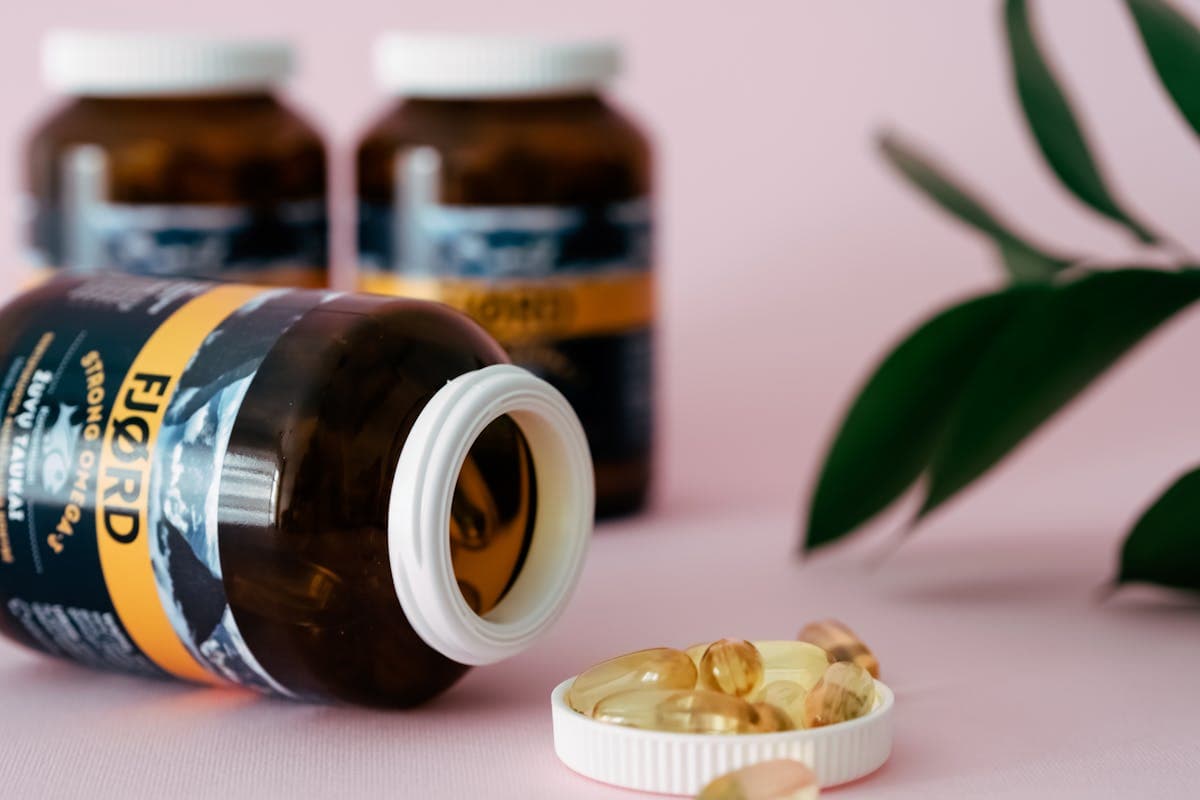
Cod Liver Oil: Vitamins A and D for Autumn
Cod liver oil has been a childhood staple for generations — that daily spoonful of amber liquid is a ritual familiar to countless families. For a while it was eclipsed by more modern supplements, but today it is enjoying a well-deserved revival as scientists better understand why northern communities relied on it for centuries.
The story is not just about vitamin D, even though deficiencies affect a large share of the population during the darker months of the year. Cod liver oil offers a rare combination: vitamin A, vitamin D, and omega-3 fatty acids (EPA and DHA) all in a single, natural form. That multi-nutrient profile is precisely why it is worth understanding what you are actually taking and in what amount.
This article explains how cod liver oil differs from ordinary fish oil, who benefits from it most, how to dose it in autumn, and — equally important — when to be cautious or avoid this supplement altogether.
What Is Cod Liver Oil and How Does It Differ from Fish Oil?
This is one of the most common questions — and understandably so, because both products often sit side by side on the pharmacy shelf with similar packaging and similar names.
Cod Liver Oil
Cod liver oil comes from the liver of Atlantic cod (Gadus morhua) or related species. The liver concentrates large amounts of fat-soluble vitamins, which is why the oil contains exceptionally high levels of:
- Vitamin A — as retinol (ready for the body to use directly), ranging from around 800 to as much as 2,500 µg RE per teaspoon (5 ml)
- Vitamin D3 — from 10 to 25 µg (400–1,000 IU) per teaspoon, depending on the product
- Omega-3 fatty acids — EPA (eicosapentaenoic acid) and DHA (docosahexaenoic acid), totalling roughly 1–1.5 g per teaspoon
Fish Oil (from Fish Muscle)
Regular fish oil is extracted from the muscle tissue of oily marine fish — herring, mackerel, sardines, anchovies. Its nutritional profile is quite different:
- Vitamin A — virtually absent (only trace amounts)
- Vitamin D — very little or none (depends on whether the product is fortified)
- Omega-3 fatty acids — high concentration of EPA and DHA, often higher than in cod liver oil
In short: if you are purely after omega-3s, regular fish oil is a solid choice and allows for higher doses without any risk of excess vitamin A. If you want omega-3s combined with vitamins A and D, cod liver oil is unique.
Vitamin A in Cod Liver Oil: What It Does and Why Too Much Is Risky
The vitamin A in cod liver oil is in the form of retinol — an active compound absorbed by the body at close to 100% efficiency and stored in the liver. This is an important distinction from the beta-carotene found in vegetables: the body only converts beta-carotene into retinol as needed, making excess beta-carotene safe. Retinol behaves differently.
What Vitamin A Does
- Vision in low light — retinol is a component of rhodopsin, the pigment responsible for night vision
- Differentiation of epithelial cells — skin, mucous membranes of the respiratory tract, digestive and urinary systems
- Immune function — supports the immune response to infections, particularly respiratory ones
- Growth and development in children — a critical nutrient in the early years of life
When Does Vitamin A Become Dangerous?
The tolerable upper intake level for vitamin A in adults is 3,000 µg RE (10,000 IU) per day. Chronically exceeding this threshold can lead to hypervitaminosis A — a toxic state that presents with:
- headaches and dizziness
- nausea, vomiting, abdominal pain
- dry and peeling skin
- bone and joint pain
- in severe cases — liver damage
Special caution during pregnancy: Excessive vitamin A (above 3,000 µg RE per day) in the first trimester is teratogenic — it can cause birth defects. Pregnant women should not take cod liver oil without consulting their doctor or midwife, and the total daily vitamin A intake from all sources (prenatal supplements + cod liver oil + a diet rich in liver) must stay within safe limits.
Vitamin D in Cod Liver Oil: Why Autumn Matters Most
In many northern and central European countries, the sun sits too low in the sky from October through March for the skin to produce vitamin D — even on a clear December noon, the angle of UVB rays is insufficient. This is why autumn and winter supplementation is recommended by paediatric societies, nutrition institutes, and most medical bodies across Europe.
What Vitamin D Does in the Body
- Calcium and phosphate metabolism — regulates calcium absorption in the intestine and mineralisation of bones
- Immune function — supports the immune response, including antiviral defences
- Muscle function — vitamin D deficiency is associated with muscle weakness, particularly in older adults
- Mood and wellbeing — vitamin D receptors are present in the brain; deficiencies correlate with depressive symptoms during the winter months
How Much Vitamin D Does Cod Liver Oil Provide?
A typical teaspoon (5 ml) of cod liver oil delivers around 400–1,000 IU of vitamin D3. General guidance for adults during the autumn-winter period is 800–2,000 IU daily (in the absence of sun exposure), rising to up to 4,000 IU for adults over 65. Cod liver oil can cover a meaningful part of that need, but it is worth noting that the vitamin D dose in cod liver oil alone may be insufficient for people with a documented deficiency — in those cases, a dedicated high-dose vitamin D3 supplement is typically needed.
Omega-3 Fatty Acids in Cod Liver Oil: EPA and DHA
Beyond vitamins, cod liver oil is a valuable source of long-chain omega-3 fatty acids. EPA and DHA belong to a family of fats that the human body cannot efficiently synthesise from alpha-linolenic acid (ALA, found in flaxseed, for example) — so we must obtain them from food or supplements.
How much does your basket cost?
See how much your basket costs across pharmacies — free, no registration
Compare pricesWell-Evidenced Effects of EPA and DHA
- Blood triglycerides — doses above 2–4 g EPA+DHA per day lower elevated triglycerides (a therapeutic, not merely supplemental, effect)
- Blood pressure — moderate blood-pressure-lowering effect with regular intake
- Brain and retina function — DHA is a structural component of cell membranes in the central nervous system and retina; critical during pregnancy and breastfeeding and in the first years of a child's life
- Anti-inflammatory action — EPA is a precursor to prostaglandins and resolvins that modulate inflammation
One teaspoon of cod liver oil typically delivers around 1–1.5 g EPA+DHA combined. That is a solid maintenance dose, though lower than what dedicated omega-3 concentrates provide for people with high cholesterol or cardiovascular conditions.
Who Benefits Most from Cod Liver Oil in Autumn?
Children and Teenagers
Cod liver oil has a long history of safe use in children and is well tolerated by most — particularly in capsule form or in liquids with neutral or citrus flavours. During the autumn-winter period, when skin synthesis of vitamin D drops to zero and children spend more time indoors, cod liver oil can simultaneously top up vitamin D, vitamin A, and omega-3s.
Dosing for children: General guidance for children over one year of age is 600–1,000 IU of vitamin D per day; consult a paediatrician for a specific dose, especially if the child is already taking other supplements containing vitamin A or D.
Older Adults
In people over 65, the skin's capacity to synthesise vitamin D declines by around 70% compared with younger adults. At the same time, older people tend to eat less oily fish — the main dietary source of omega-3s. Cod liver oil is a logical dietary addition here, but because of possible interactions with medications (for example, anticoagulants), it is worth checking with a doctor first.
People Who Rarely Eat Fish
WHO and European cardiology society guidelines recommend two portions of oily sea fish (salmon, mackerel, herring, sardines) per week as the optimal omega-3 intake. Anyone who cannot or chooses not to eat fish regularly will find cod liver oil or fish oil a sensible addition.
Athletes and People Who Train Intensively
EPA and DHA have shown anti-inflammatory effects that may help shorten recovery time after intense exercise. DHA also supports cognitive function — relevant for sports requiring concentration and fast reactions.
How to Choose a Quality Cod Liver Oil
Source and Certification
A good cod liver oil should come from producers using sustainably certified fisheries (MSC certification or equivalent). Reputable brands state the country of origin of the cod (Norwegian cod liver oil is widely regarded as the gold standard) and declare freedom from mercury, PCBs, and dioxins — look for purity test data or an IFOS (International Fish Oil Standards) certificate.
Product Form
- Liquid oil — lower cost per dose; easy to assess smell and taste (fresh cod liver oil should have a mild, oceanic scent — a strong fishy odour signals rancidity)
- Soft gel capsules — more convenient, mask taste and smell, easier for children to take
- Emulsion — a less common form, mainly available for young children
Vitamin A Content — Always Check the Label
Vitamin A content varies significantly between products — from roughly 800 µg RE to as much as 2,500 µg RE per 5 ml. If your diet already includes plenty of dairy, eggs, and meat, your baseline vitamin A intake from food is already relatively high. Adding cod liver oil on top could bring you close to the upper safety threshold, particularly at higher product doses.
Storage
Once opened, store liquid cod liver oil in the refrigerator and use it within 2–3 months. Omega-3 fatty acids and fat-soluble vitamins are sensitive to oxidation from light and heat. Products in dark bottles with a clearly stated shelf life after opening are a good quality indicator.
Cod Liver Oil Dosing — Practical Guidelines
There is no single universal dose — it depends on age, health status, diet, and the goal of supplementation. Below are indicative ranges used in practice:
- Infants and toddlers (1–3 years): around 2.5 ml per day — always after consulting a paediatrician
- Children aged 4–12: 5 ml (one teaspoon) per day
- Teenagers and adults: 5–10 ml per day (or the capsule equivalent)
- Older adults (with higher vitamin D needs): 10 ml per day, or cod liver oil combined with an additional vitamin D3 supplement
Important: Take cod liver oil with a meal containing fat — vitamins A and D are fat-soluble and are absorbed considerably better in the presence of dietary lipids.
What Not to Combine with Cod Liver Oil
- Pregnancy: Do not exceed 3,000 µg RE of vitamin A per day from all sources combined. A prenatal supplement plus cod liver oil may together deliver too much retinol — always consult your doctor
- Other multivitamin supplements: Many general supplements already contain vitamins A and D — taking them alongside cod liver oil can lead to accumulation
- Anticoagulants (warfarin, acenocoumarol): Higher omega-3 doses (above 3 g EPA+DHA per day) may enhance the effect of anticoagulants — medical consultation and INR monitoring are required
- Liver disease: High doses of vitamin A are hepatotoxic — people with liver conditions should avoid retinol supplementation without medical supervision
Frequently Asked Questions
Is cod liver oil the same as shark liver oil or Norwegian cod liver oil?
No. Shark liver oil is a completely different product — rich in squalene and alkylglycerols but low in vitamins A and D. "Norwegian cod liver oil" is simply a popular trade name for oil extracted from Norwegian cod liver (cod liver oil). Always check the label — the source material should be clearly stated.
Can cod liver oil replace a vitamin D3 supplement?
Partly. For mild vitamin D deficiency (typical for a healthy adult in autumn), the amount of vitamin D in cod liver oil may be sufficient. For a documented severe deficiency (blood 25(OH)D level below 20 ng/ml), higher doses of vitamin D3 in a separate supplement are usually needed. Cod liver oil and a D3 supplement can be combined — just keep an eye on the total vitamin A dose.
Can you take cod liver oil year-round?
Yes, though in summer — with regular sun exposure and a diet rich in oily fish — supplementation becomes less necessary. Many people use cod liver oil only seasonally, from October to March or April. This is a sensible approach, particularly given the risk of vitamin A accumulation with high doses taken year-round.
Can cod liver oil be given to infants?
Only after consulting a paediatrician. Breastfed infants require supplementation with vitamin D3 alone (400 IU per day) in a standardised form. Cod liver oil contains retinol in a dose that is difficult to measure precisely for very young children and may be unsuitable as a form of supplementation for newborns and infants.
How do you deal with the taste and smell of cod liver oil?
The most effective approaches: soft gel capsules (no contact with taste buds), storing the oil in the refrigerator and taking it straight from the fridge (cold oil has a milder flavour), or taking it with citrus juice, yogurt, or mixed into a salad dressing. Lemon-flavoured or mint-flavoured products are now standard among better-quality brands.
Does cod liver oil help with immunity?
Indirectly — yes. Vitamin D3, vitamin A, and omega-3 fatty acids each show immunomodulatory effects in clinical studies. However, there is no evidence that cod liver oil "prevents" colds or flu as a standalone remedy. Think of it as part of a broader approach to health — not a shield against viruses.
Summary
✅ Cod liver oil is a unique combination of vitamins A, D and omega-3 fatty acids — unmatched among supplements, and difficult to replicate with individual preparations in the same natural form.
✅ Autumn and winter are the primary season for supplementation — from October onwards, skin synthesis of vitamin D3 from sunlight in northern and central Europe is essentially zero; cod liver oil tops up both vitamin D and omega-3s at once.
✅ Cod liver oil ≠ fish oil — fish oil comes from fish muscle tissue and is low in vitamins A and D; cod liver oil contains all three active components.
✅ Vitamin A requires sensible dosing — retinol accumulates in the liver; do not combine cod liver oil with multivitamins containing vitamin A, and always consult a doctor before taking it during pregnancy.
✅ Quality matters enormously — choose products with a purity certificate (IFOS or equivalent) that state the country of origin of the cod and include a shelf life after opening.
✅ Children and older adults benefit most — for these groups, the combination of vitamins A, D and omega-3s in a single product is particularly valuable in autumn, when diet and sun exposure are both limited.
✅ When in doubt — ask a pharmacist or doctor — especially if you are pregnant, taking anticoagulants, or have a liver condition.
Disclaimer
This article is for educational purposes only and does not replace advice from a doctor or pharmacist. Dosing information and supplementation guidance are indicative — before starting cod liver oil, especially during pregnancy, for children under one year of age, or if you have a chronic condition, please consult a qualified healthcare professional who knows your medical history.
As the autumn medicine cabinet grows — cod liver oil, vitamin C, zinc, magnesium — it is worth remembering that real savings come from comparing a whole basket of supplements, not a single product in isolation. On CheaperForDrug you can check prices for all your supplements at once across various online pharmacies and pay considerably less for everything combined than you would buying each product separately from the first pharmacy you find.