Which Cold Medicines Actually Work and Which Ones Just Pretend to Help
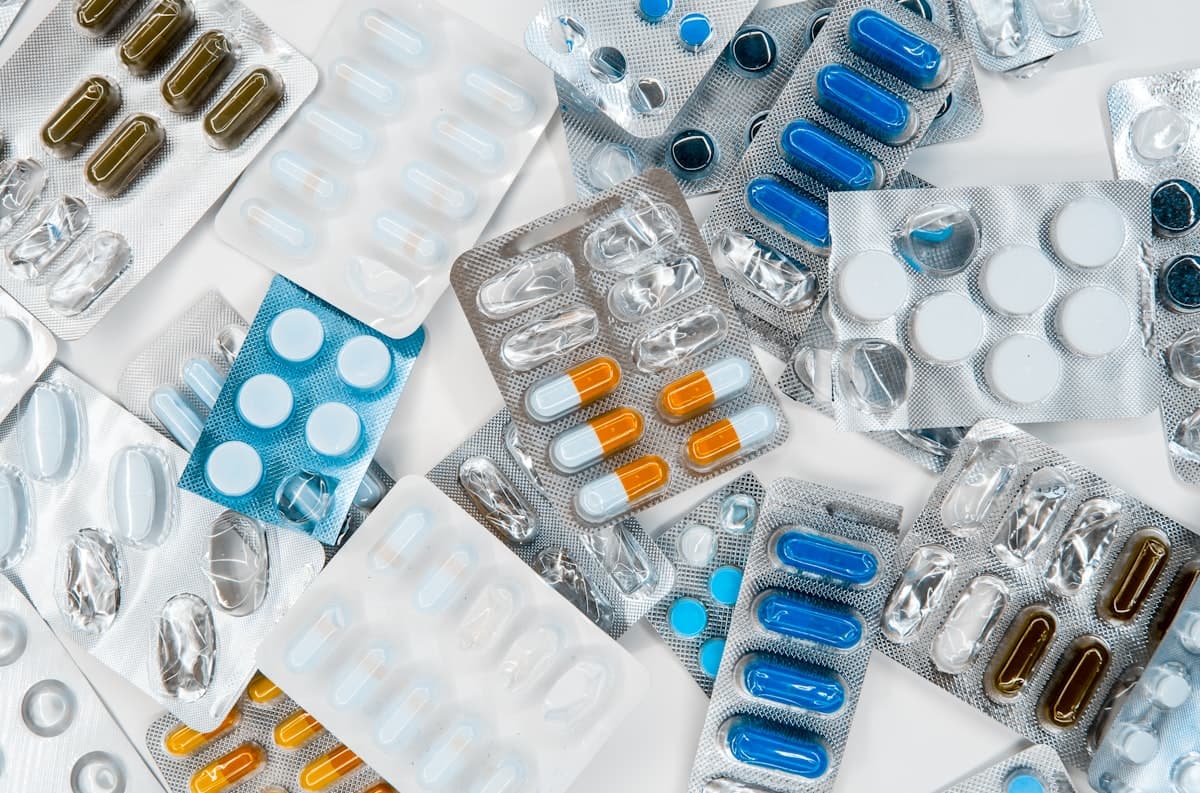
It's September, the temperature is dropping, and you wake up with that familiar feeling - a scratchy sore throat, runny nose and a sensation as if someone filled your head with cotton wool. A cold. A seasonal classic. You head to the pharmacy, where you're greeted by a wall of colourful packages with promises of quick relief. "10-in-1 Complex", "Ultra Formula", "Maximum Strength" - and prices from €4 to €15 per pack.
But here's a truth that pharmacists have known for years: most of these products contain exactly the same ingredients, just in different combinations and packaging. And you're often overpaying simply for marketing. Today we'll break it all down and show you how to effectively treat a cold without straining your budget.
Let's start with an uncomfortable truth
There's no cure for the common cold. Yes, you read that right. A cold is a viral infection and simply has to run its course - usually within 7-10 days. What we can do is relieve the symptoms and help the body fight the virus.
But that doesn't mean you're helpless! Some medicines really do help you feel better, while others... well, they mainly provide hope and a lighter wallet.
Medicines that actually help
Let's focus on what actually works. Here are the ingredients with proven effectiveness:
1. Paracetamol - your best friend
If I had to choose one medicine for a cold, it would be paracetamol. It works as a painkiller and fever reducer - exactly what you need when your muscles ache, your head pounds and you have a temperature.
How does it work? Paracetamol blocks the production of prostaglandins in the brain, which are responsible for pain and fever. It works quickly (usually within 30-60 minutes) and is safe when dosed correctly.
Dosage: 500-1000 mg every 4-6 hours, maximum 4000 mg per day (this is VERY important - exceeding it can damage the liver).
Price comparison - this is where the savings magic happens:
- Brand-name paracetamol (e.g. Panadol): €7 for 24 tablets (€0.29/tablet)
- Generic paracetamol: €2 for 24 tablets (€0.08/tablet)
- Savings: €5 (71%!)
It's exactly the same ingredient, the same dose. The difference? The packaging and brand. If you buy paracetamol once a month through the whole autumn-winter season (say 6 months), you save €30. That's already nearly a nice dinner out!
2. Ibuprofen - an alternative with extra action
Ibuprofen works similarly to paracetamol - it reduces fever and pain - but also has anti-inflammatory action. It's a good choice if you also have a sore throat or sinusitis.
Dosage: 200-400 mg every 4-6 hours, maximum 1200 mg per day (without medical consultation).
Important: Take after food - ibuprofen can irritate the stomach. Avoid it if you have stomach problems or take blood-thinning medication.
Price comparison:
- Brand-name ibuprofen (e.g. Nurofen): €6.50 for 24 tablets (€0.27/tablet)
- Generic ibuprofen: €2.25 for 24 tablets (€0.09/tablet)
- Savings: €4.25 (65%)
3. Pseudoephedrine - when congestion won't let you breathe
If your nose is so blocked you can't breathe or sleep, pseudoephedrine can be a lifesaver. It's a drug that constricts blood vessels in the nose, reducing swelling and clearing the airways.
Important caveats:
- Availability differs from country to country: in many it is a pharmacy-only medicine sold without a prescription but in limited quantity, in others it now requires one - ask your pharmacist (it often comes combined with paracetamol or ibuprofen)
- Contraindicated (do not take): severe or uncontrolled high blood pressure, severe kidney disease or kidney failure
- Ask first: heart disease, glaucoma, an overactive thyroid, diabetes, an enlarged prostate
- Can cause insomnia - don't take in the evening
- Don't combine with other cold medicines containing pseudoephedrine
Dosage: Usually 60 mg every 4-6 hours.
Price: €4-9 per pack, depending on the combination and pharmacy.
4. Nasal drops/spray - quick relief, but carefully
Oxymetazoline or xylometazoline - these ingredients in nasal drops work instantly, constricting blood vessels and clearing the nose. The feeling is almost magical... but there's a catch.
The golden rule: maximum 3-5 days! Why? After this time, a rebound effect can occur - the nose becomes even more blocked, leading to a vicious cycle and dependency on drops.
Better long-term solution: Saline spray (isotonic or hypertonic). It doesn't constrict blood vessels but mechanically clears the nose of discharge and viruses. You can use it without restrictions.
Price comparison:
- Brand-name oxymetazoline spray: €5.50
- Generic oxymetazoline spray: €2.50
- Savings: €3 (55%)
- Brand-name saline spray: €7
- Saline solution in ampoules (make your own spray): €2
- Savings: €5 (71%)
Is paracetamol good for a cold?
Yes, but only for what paracetamol can actually do. It brings a fever down and relieves pain: head, muscles, joints, throat. That is usually the most miserable part of a cold, so for many people it is the first choice, especially if they tolerate anti-inflammatory drugs badly or have a sensitive stomach.
What paracetamol does not do: it does not fight the virus and it does not shorten the infection. A cold still takes its 7 to 10 days. Paracetamol makes that time more bearable, and that is all it promises. It is a lot, but it is not a cure.
Two things worth keeping in mind. First, the dose: for adults usually 500 to 1000 mg every 4 to 6 hours, with a maximum of 4000 mg per day; for children the dose is calculated by body weight. Second, and this is the most common mistake of the season, paracetamol sits inside most multi-ingredient cold powders and tablets. Take one of those and swallow a separate paracetamol on top, and you can cross the safe limit very easily. Always read the ingredient list on the box.
Extra caution with liver disease and with alcohol. If a fever above 38.5°C lasts more than 3 days, the pain stays severe despite medication, or symptoms get worse instead of easing, that is the moment to contact a doctor rather than take another tablet.
Does paracetamol help with a runny nose and cough?
No. The question comes back every season, so let us answer it plainly: paracetamol will not unblock your nose, will not stop a runny nose and will not quiet a cough. It has no decongestant effect on the nasal lining and no effect on the cough reflex.
So where does the impression that it helps come from? From two things. First, it is an ingredient in almost every cold combination product, sitting next to pseudoephedrine for a blocked nose or a cough suppressant - the relief comes from those, not from the paracetamol. Second, a runny nose often comes with a headache and pressure around the sinuses; paracetamol genuinely dulls that pain, even though it leaves the congestion untouched.
What actually works for a runny or blocked nose: saline or sea-water rinses (safe, suitable for long-term use and for children), a decongestant spray for a short course only - a maximum of 3 to 5 days - and, for a blocked nose with sinus pressure, oral pseudoephedrine - whether it is sold without a prescription depends on where you live, so check at the pharmacy counter. Do not take it at all with severe or uncontrolled high blood pressure or severe kidney disease; with heart disease, glaucoma or an overactive thyroid ask the pharmacist first. Stop it immediately and seek help if you get a sudden, very severe headache, visual disturbances or confusion. For a cough: fluids, humid air and a spoonful of honey at bedtime, which in adults and children over one year works about as well as a typical cough syrup.
How much does your basket cost?
See how much your basket costs across pharmacies — free, no registration
Compare pricesSee a doctor if the runny nose lasts more than 10 days without improvement or returns with a fever after a few better days, and if a cough persists beyond 3 weeks or comes with breathlessness, wheezing or blood in the phlegm.
Medicines of questionable effectiveness
Now we move to the grey area - ingredients that are everywhere, but whose effectiveness is... debatable:
5. Phenylephrine - popular but not necessarily effective
Phenylephrine is in dozens of cold preparations as a substitute for pseudoephedrine (because it is not subject to the same sales restrictions). The problem? Research shows that oral phenylephrine at standard doses is barely more effective than placebo.
The FDA (US Food and Drug Administration) officially stated in 2023 that oral phenylephrine is ineffective for treating nasal congestion. Many countries are already withdrawing products with this ingredient.
Verdict: If you want something for a blocked nose, choose a nasal spray (works locally) or pseudoephedrine - just ask the pharmacist whether it is sold without a prescription where you are. Don't overpay for combinations with phenylephrine.
6. Vitamin C - the myth that won't die
I know, I know - your grandmother always told you to eat oranges. And yes, vitamin C is important for the immune system, but... large reviews of studies show that taking vitamin C after cold symptoms appear doesn't shorten the duration or relieve symptoms for most people.
Exception: If you're exposed to extreme physical exertion (e.g. marathon runner) or extreme cold, regular vitamin C intake can halve the risk of catching a cold. But for the average person sitting in an office? The effect is minimal.
Better solution: Just eat healthily and varied year-round. Carrots, peppers, broccoli - they all contain plenty of vitamin C. And they taste better than tablets.
Savings: €5-10 per month (if you stop buying megadoses of vitamin C "for colds")
7. Echinacea - a plant with unclear powers
Echinacea is another "natural" ingredient present in dozens of products. Research? Mixed. Some show minor benefits, others none. The problem is that echinacea products vary dramatically in composition, dosage and plant species.
Verdict: If you want to try it, OK - but don't spend a fortune. And don't expect miracles.
Medicines you should avoid
And now it's time for honesty - products that are mainly marketing:
8. "10-in-1 cold complexes" - a mix of everything
You see that colourful package promising "comprehensive action"? It usually contains:
- Paracetamol (OK, that works)
- Phenylephrine (questionable effectiveness)
- Caffeine (why? so you think you feel better?)
- Vitamin C (probably won't help)
- "Herbal blend" (nobody knows what that actually means)
The problem: You pay €12-15 for a combination of ingredients, most of which are ineffective, when the one effective one (paracetamol) could be bought for €2.
Additionally: Easy to overdose. You take a "complex", then paracetamol for a headache, maybe a cough syrup with paracetamol - and suddenly you've exceeded the safe dose without realising it.
9. Antibiotics - when they're needed and when they cause harm
This isn't a medicine you'll buy without a prescription, but I need to mention it because the myth "antibiotics for a cold" is still alive.
Let's be clear: Antibiotics work ONLY on bacteria. A cold is caused by viruses. An antibiotic for a cold is about as effective as a vacuum cleaner for tidying the garden.
When is an antibiotic needed? Only when a cold develops into a bacterial infection (e.g. sinusitis, pneumonia). Symptoms:
- Fever above 38.5°C for more than 3-4 days
- Green/yellow nasal discharge for more than 10 days
- Severe pain in one ear or sinus
- Cough with green/yellow sputum
- Symptoms suddenly worsen after several days of improvement
Then see a doctor. Don't insist on antibiotics for an ordinary cold - they won't help, and they can cause harm (e.g. diarrhoea or contribute to antibiotic resistance).
What about flu? It's not the same thing!
Quick digression, because people often say "flu" when they mean a cold. These are two different things:
Cold:
- Gradual onset
- Runny nose, sore throat, mild fever
- You generally feel bad but can still function
- Lasts 7-10 days
Flu:
- Sudden onset (feeling fine, then BAM!)
- High fever (38-40°C), chills
- Severe muscle and joint pain
- Extremely tired - can barely get out of bed
- Can last 1-2 weeks
Important: There are prescription antiviral medicines for flu (e.g. oseltamivir), which can shorten the illness, but they must be given within 48 hours of symptom onset. If you suspect flu, don't delay seeing a doctor.
The best solution? A flu vaccination every autumn. It costs €15-30 and can save you weeks of illness and hundreds of euros on medicines.
Real-life example: John's shopping basket
John, 38, caught a cold. He went to the pharmacy and the pharmacist suggested a "comprehensive set".
Option 1 - Brand-name product set (one pharmacy):
- Multi-ingredient preparation "Grip-Max": €12
- Brand-name nasal spray: €5.50
- Cough syrup with vitamin C: €8
- Vitamin C 1000mg: €7
- Total: €32.50
Option 2 - Effective ingredients (via CheaperForDrug):
- Generic paracetamol 500mg (24 tablets): €2
- Generic nasal spray: €2.50
- Saline spray (ampoules): €2
- Cough syrup (no extras) or honey with lemon: €3
- Total: €9.50
Savings: €23 (71%!)
Plus, John avoided unnecessary ingredients and the risk of overdosing. And he recovered in the same amount of time (because a cold simply has to pass).
How CheaperForDrug helps you save
You usually buy cold medicine when you feel terrible and just want to get home. That's not a good time to compare prices across five pharmacies. That's why CheaperForDrug is so helpful:
1. Compare generics vs. brands
CheaperForDrug shows all products with the same active ingredient. You can see that paracetamol is paracetamol - whether it costs €2 or €7. The ingredient is identical, the dose identical, the effectiveness identical.
2. Avoid overpaying for "complexes"
Instead of buying an expensive multi-ingredient preparation, find the individual ingredients that actually work. CheaperForDrug will help you find the cheapest options for each one.
3. Check the total cost with delivery
A pharmacy might have a lower medicine price but higher delivery fee. CheaperForDrug calculates the total basket cost, so you see the real price.
4. Buy in advance (wisely)
Paracetamol doesn't spoil (shelf life is typically 3-5 years). If you find a good deal on CheaperForDrug, buy a larger pack. Example:
- Paracetamol 24 tablets: €2 (€0.08/tablet)
- Paracetamol 50 tablets: €3 (€0.06/tablet)
- Extra savings: 27% per tablet!
Home remedies - don't underestimate the basics
Before you rush to the pharmacy, remember that some of the most effective "medicines" are completely free:
Rest
Your body is fighting a virus. That takes energy. The more you sleep, the more resources you have for fighting the infection. Really - lie in bed, watch TV series, take it easy.
Fluids, fluids, fluids
Fever causes dehydration. A runny nose means you're losing fluids. You need to replace them. Water, tea, broth - it all counts. Avoid alcohol and large amounts of caffeine.
Pro tip: Warm drinks (tea with honey and lemon, broth) can soothe a sore throat better than cold ones. Not because they have magic ingredients, but warmth simply provides relief.
Humidity in the air
Dry air irritates the nose and throat. A humidifier (or simply a bowl of water on the radiator) can help. Cost: €0-15 (for a simple humidifier), and the benefits are huge.
Honey
Research shows that a spoonful of honey before bed can be as effective as cough syrup in children over 1 year and adults. And it tastes better. And costs €4 per jar, which lasts for months.
When to see a doctor?
Usually a cold passes on its own, but sometimes you need professional help. See a doctor if:
- Symptoms last longer than 10 days without improvement
- Fever above 38.5°C lasts more than 3 days
- You have difficulty breathing
- Severe chest pain
- Headache is very severe and doesn't respond to medication
- Shortness of breath, wheezing
- Facial swelling
- You're pregnant, immunocompromised or have a chronic illness
Don't take risks. Better a needless visit than a missed complication.
For parents: children and colds
Brief but important note:
Paracetamol and ibuprofen: Can be given to children, but ONLY in appropriate doses according to body weight. Use the measuring device included with the medicine, not a kitchen spoon.
Cough and cold medicines: Not recommended for children under 6. They don't work better than placebo and can have side effects.
Honey: Great for coughs, but NEVER for children under 1 year (risk of botulism).
Nasal drops: Saline - yes. Decongestant drops - cautiously and only after consulting a paediatrician.
Summary: your cold action plan
What to buy (and save):
- Generic paracetamol - €2 instead of €7 (savings: €5)
- Or generic ibuprofen - €2.25 instead of €6.50 (savings: €4.25)
- Nasal spray - generic for €2.50 or saline for €2 (instead of brand-name for €5.50-7)
- Honey and lemon - for coughs and sore throats (€4 per jar of honey lasts ages)
What to avoid:
- Expensive multi-ingredient complexes (savings: €8-18)
- Megadoses of vitamin C "for colds" (savings: €5-10)
- Preparations with oral phenylephrine (questionable effectiveness)
- Antibiotics without medical consultation (can cause harm)
Home remedies (free!):
- Rest and sleep
- Plenty of fluids (water, tea, broth)
- Humid air
- Warm drinks for sore throat
Realistic savings on one cold:
- Buying generics instead of brands: €8-12
- Avoiding unnecessary complexes: €10-20
- Using CheaperForDrug to compare prices: an additional €3-5
- Total: €20-37 savings per cold episode!
Over a year (assuming 2-3 colds): €40-110 in savings
That's no small change. That's a weekend trip. Or a restaurant meal. Or simply the satisfaction of not overpaying for colourful packaging.
Final thought
Having a cold is miserable. You feel awful, you're tired, you can't function normally. At times like these, it's easy to fall for promises of "miracle" preparations offering quick relief.
But the truth is: the simplest, cheapest solutions often work best. Generic paracetamol for €2 will help you just as well (maybe even better) than an "ultra premium complex" for €15. And the money saved can go towards something that will truly cheer you up - a good film, your favourite food, or simply the peace of mind that you're not burning through your budget.
Use CheaperForDrug, compare prices, choose generics and rely on the basics - rest, fluids, time. Your body knows how to beat a cold. You just need to not get in its way and save a bit of money in the process.
To your health - and smart savings!
Disclaimer: The information in this article is for educational purposes only and does not replace medical advice. Always consult a doctor or pharmacist before starting any medication, especially if you're pregnant, breastfeeding, taking other medicines or have chronic conditions. If in doubt or experiencing serious symptoms, always consult a doctor.