Is an Expired Medicine Dangerous? Facts and Myths
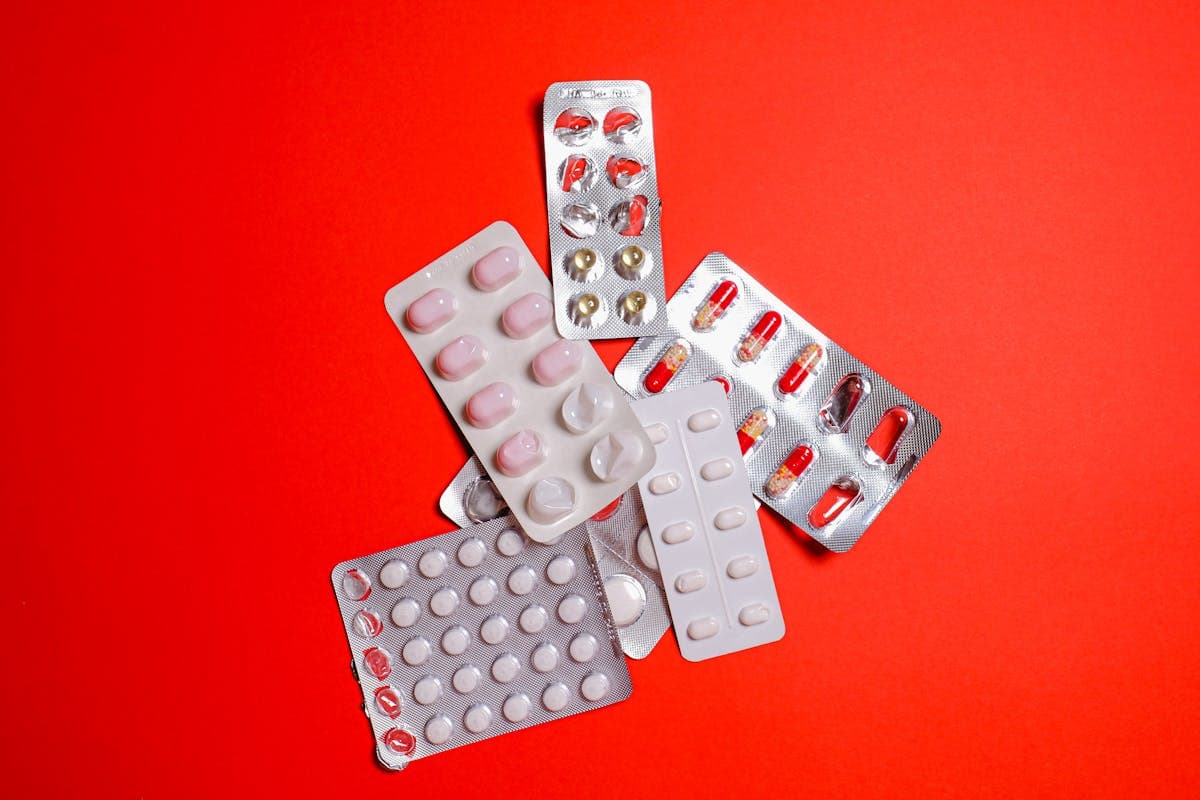
Sunday evening, you have a headache. You open the drawer with your medicine cabinet, pull out a blister of painkiller tablets - and your eye lands on a tiny print: the expiry date passed four months ago. The tablets look normal. The blister is intact. And now you stand over that drawer with the classic dilemma: take them or throw them away?
This is one of the most common questions about the home medicine cabinet. A great many myths have grown up around expiry dates - from "everything past its date is poison" to "it's just a manufacturer's trick to make you buy more". The truth, as usual, lies somewhere in between and is more nuanced.
In this article we'll work through the topic calmly and factually: what an expiry date really means, when an expired medicine is simply a weaker medicine and when a genuine risk - and how to properly dispose of whatever ends up in the bin.
What does an expiry date really mean?
Let's start with the most important point. The expiry date on the packaging is a manufacturer's guarantee. The manufacturer assures that up to this date - when stored correctly - the medicine retains its full declared effectiveness, quality and safety. The active substance is present in the full, declared amount, and the product meets all required standards.
The key word is "guarantee". An expiry date does not mean that from one second to the next, at midnight on the day it expires, the medicine turns into a useless or harmful substance. It simply means that beyond this point the manufacturer stops vouching for the medicine. It's a boundary of responsibility, not the flick of a switch.
The second important thing: the expiry date is set on the assumption of correct storage - at the indicated temperature, away from moisture and light, in the original packaging. This assumption is often broken, more on which in a moment.
Does an expired medicine harm you? What the facts say
The most common scenario is this: a medicine stored past its expiry date gradually loses effectiveness. The active substance slowly breaks down, so the tablet works ever more weakly and ever less predictably. It's a gradual process, not a sudden one.
A far rarer scenario is one in which an expired medicine becomes actively harmful - that is, produces toxic or irritant substances. With typical, stable medicines in solid form (tablets, capsules in an undamaged blister) this happens rarely.
This sounds rather reassuring - and in a sense it is. But beware: the loss of effectiveness can in itself be dangerous. A medicine that works more weakly than it should is a genuine problem with more serious ailments. A weakening medicine for high blood pressure, for an allergy with strong symptoms or for an infection is not a neutral situation. "Does no direct harm" does not mean "is safe to use".
What you cannot judge by sight
A common mistake is judging a medicine "by eye": if the tablet looks normal, it's probably fine. Unfortunately, the breakdown of the active substance is usually invisible. A medicine can look perfect and at the same time contain significantly less active substance than the packaging declares. Appearance is a poor adviser.
There are, of course, signals that disqualify a medicine immediately regardless of the date: a change in colour, smell or consistency, cracking or crumbling tablets, an ointment separating into layers, a cloudy liquid, sediment. If you see anything like this - don't use it, even if the date is formally still valid.
Exceptions where the risk is real
There are groups of medicines for which you need to take the expiry date considerably more seriously. Here the safety margin is small, and "let's try it, maybe it'll work" is a bad idea.
Liquid medicines and suspensions
Syrups, solutions and suspensions are less stable than tablets. The active substance breaks down more easily in them, and a liquid environment can favour the growth of microorganisms. After their expiry date their quality is often noticeably reduced.
How much does your basket cost?
See how much your basket costs across pharmacies — free, no registration
Compare pricesEye drops and eye preparations
A special rule applies here: besides the expiry date on the packaging, the shelf life after first opening also counts. Many eye drops, once opened, retain their usability for only a short, strictly defined time (usually stated in the leaflet). After that period the risk of microbiological contamination rises - and the eye is an exceptionally sensitive area. Do not use expired or too-long-opened eye drops.
Antibiotics, especially as a suspension
Antibiotics in the form of a suspension (prepared by adding water) have a very short shelf life after preparation - often counted in days. A separate issue: antibiotics are taken solely as prescribed by a doctor and as a full, prescribed course. Using "leftovers" from months ago - expired, in an unknown dose, on your own - is inappropriate regardless of the date.
Life-saving and critical medicines
This is the group where the rule is simplest: do not take risks. With medicines such as adrenaline (in auto-injectors for severe allergic reactions) or heart medicines used in emergencies, their full and reliable effectiveness can decide health or life in an emergency.
At such a moment there is no room for "let's hope it still works". A medicine that fails at a critical moment is a scenario to be avoided from the outset. Keep life-saving medicines and medicines for chronic heart conditions always within their validity and replace them well in advance - this is no place to economise at the cost of safety.
Ointments, creams and medicines in tubes after opening
Semi-solid preparations - ointments, creams, gels - are another group for which the date on the packaging alone doesn't tell the whole story. After first opening the tube, the preparation has contact with air, and often with fingers at every use. This gradually reduces its quality, and with preparations for the eyes or used on damaged skin it increases the risk of contamination.
Worrying signals are a change in smell, separation into layers (the liquid phase separating from the fatty one), a change in colour or consistency, and leaking from the tube. If you see anything like this - set the preparation aside for disposal, even if the printed date is formally still valid. With opened preparations it's a good idea to write the date of first opening on the packaging - you'll immediately know how long the tube has been in use.
How storage conditions shorten the actual shelf life
Remember the assumption from a few paragraphs back - the expiry date applies with correct storage? In practice this assumption is often not met, and then a medicine can lose quality even before the printed date passes.
The biggest threats are:
- High temperature. A medicine cabinet kept by a radiator, a car in summer, a windowsill in full sun - heat accelerates the breakdown of active substances.
- Moisture. The bathroom, even though it's the "natural" place for a medicine cabinet, is one of the worst - water vapour from the shower favours the spoiling of medicines, especially effervescent tablets and moisture-sensitive preparations.
- Removal from the original packaging. Decanting tablets into "communal" boxes deprives them of the protection of the blister and the information about the name and date.
- Light. Some medicines break down faster under the influence of light.
The conclusion is simple: the date on the packaging is a theoretical value. A medicine stored in heat or moisture may in fact be "past its date" earlier than the print suggests. You'll find more on how temperature affects medicines and how to protect your medicine cabinet in the hot months in our separate article on storing medicines in summer. The best place for a medicine cabinet is a cool, dry, dark spot out of the reach of children - for example a cupboard in the bedroom, not in the bathroom.
How to dispose of expired medicines properly
If something ends up in the bin - let's do it well. Improper disposal of medicines is not just your concern: it's also an environmental matter.
What NOT to do
- Don't throw medicines into the ordinary rubbish bin. Active substances can get into the environment, and medicines in a household bin are sometimes accessible to children or animals.
- Don't flush medicines down the toilet or pour them down the sink. That's a direct route for pharmaceutical substances to reach the water - treatment plants don't remove them completely. This also applies to syrups and other liquids.
What to do
- Hand expired medicines in at a pharmacy. Pharmacies accept medicines for disposal - it's the simplest and safe solution. Just ask at the counter.
- Use special containers for expired medicines. They are sometimes placed in pharmacies, clinics or collection points - collection methods may differ depending on the local area, so if in doubt, check the local rules.
- Remove or black out personal data. If there's a pharmacy label with your details on the packaging, it's worth peeling it off or blacking it out before handing it in.
Carry out a regular medicine cabinet check
The best way never to stand over the drawer with the dilemma "take it or throw it away" is simply not to let expired medicines accumulate. All it takes is the habit of a regular check.
- Carry out a check every few months. Twice a year is a reasonable minimum. You can tie it to the clocks changing or the start of a season - it's easier to remember.
- Check the dates and condition of every medicine. Set aside everything past its date and anything that raises doubts by its appearance or smell.
- Pay particular attention to opened packages. Eye drops, syrups, ointments - with these the time since opening counts too, not just the printed date.
- Top up what's missing before it's urgently needed. If something basic is missing or you're just throwing out an expired package - add it to the shopping list calmly, not in a panic at ten in the evening.
- Keep medicines in one, good place. Cool, dry, dark and out of the reach of children.
Such a check takes a dozen or so minutes and gives peace of mind: you know that what you have in the medicine cabinet really will work when it's needed.
Frequently asked questions
Will a painkiller tablet a few months past its date definitely harm me?
Usually it does no direct harm - typical tablets in an undamaged blister tend to gradually lose effectiveness rather than become toxic. It may, however, work more weakly and less predictably. For full effectiveness and certainty it's better to use a medicine within its validity and hand the expired one in at a pharmacy.
Is the expiry date just a marketing trick by manufacturers?
No. It's a guarantee that up to the stated date - when stored correctly - the medicine retains its full effectiveness, quality and safety. After that date the manufacturer simply stops vouching for the medicine. It's a genuine boundary of responsibility, not a sales gimmick.
Can I use eye drops past their date if they look normal?
No. With eye drops both the date on the packaging and the short shelf life after first opening count. After that period the risk of microbiological contamination rises, and the eye is very sensitive. Throw away expired or too-long-opened drops.
Why must medicines not be thrown in the bin or flushed down the toilet?
Pharmaceutical substances can get into the environment - treatment plants don't remove them completely - and medicines in a household bin are sometimes accessible to children and animals. Expired medicines should be handed in at a pharmacy or in a container designated for them.
How does the temperature at home affect the shelf life of medicines?
High temperature and moisture accelerate the breakdown of active substances, so a medicine may in fact lose quality even before the printed date. That's why a medicine cabinet by a radiator or in the bathroom is a bad idea - a cool, dry and dark place is better.
Summary - what's worth remembering?
✅ The expiry date is a manufacturer's guarantee - up to this date the medicine has its full effectiveness and safety, it doesn't "spoil" suddenly at midnight.
✅ An expired medicine most often gradually loses effectiveness, less often becomes actively harmful - but a weaker medicine is sometimes a problem too.
✅ Exceptions require caution - liquid medicines, eye drops after opening, antibiotics as a suspension.
✅ With critical medicines - adrenaline, heart medicines - you must not take risks and need to keep them within their validity.
✅ Heat and moisture shorten the actual shelf life of medicines - keep your medicine cabinet in a cool, dry, dark place.
✅ Hand expired medicines in at a pharmacy - not in the bin and not down the toilet.
✅ Check your medicine cabinet every few months - it's a dozen or so minutes that give genuine peace of mind.
Disclaimer
This article is for educational purposes only and does not replace a consultation with a doctor or pharmacist. If in doubt about whether a particular medicine is fit for use, ask the pharmacist - they will be glad to advise. Never use expired life-saving medicines or medicines critical to health. Take antibiotics solely as prescribed by a doctor. Dispose of expired medicines solely through a pharmacy or designated collection points.
A regular medicine cabinet check almost always ends with the same conclusion: a few things are missing and a few need topping up. Instead of buying them one by one and overpaying along the way, gather everything into a single basket on CheaperForDrug and compare its total cost across various online pharmacies - because real savings are born from comparing the whole basket, not a single package. Look after your medicine cabinet sensibly: fresh, complete and ready when it's really needed.