Meat and Eggs: Why They're So Healthy and How to Include Them in Your Diet
Remember the days when eggs were public enemy number one? "Don't eat more than 2-3 a week, because cholesterol!" -- everyone around you kept saying. And red meat? It was portrayed as a fast track to a heart attack. For decades we lived in fear of two of the most nutritious foods on our plates.
The good news? Science has moved on. It turns out that these "dangerous" foods are genuine nutritional powerhouses -- packed with nutrients our bodies desperately need. Time to bust the myths and look at the facts.
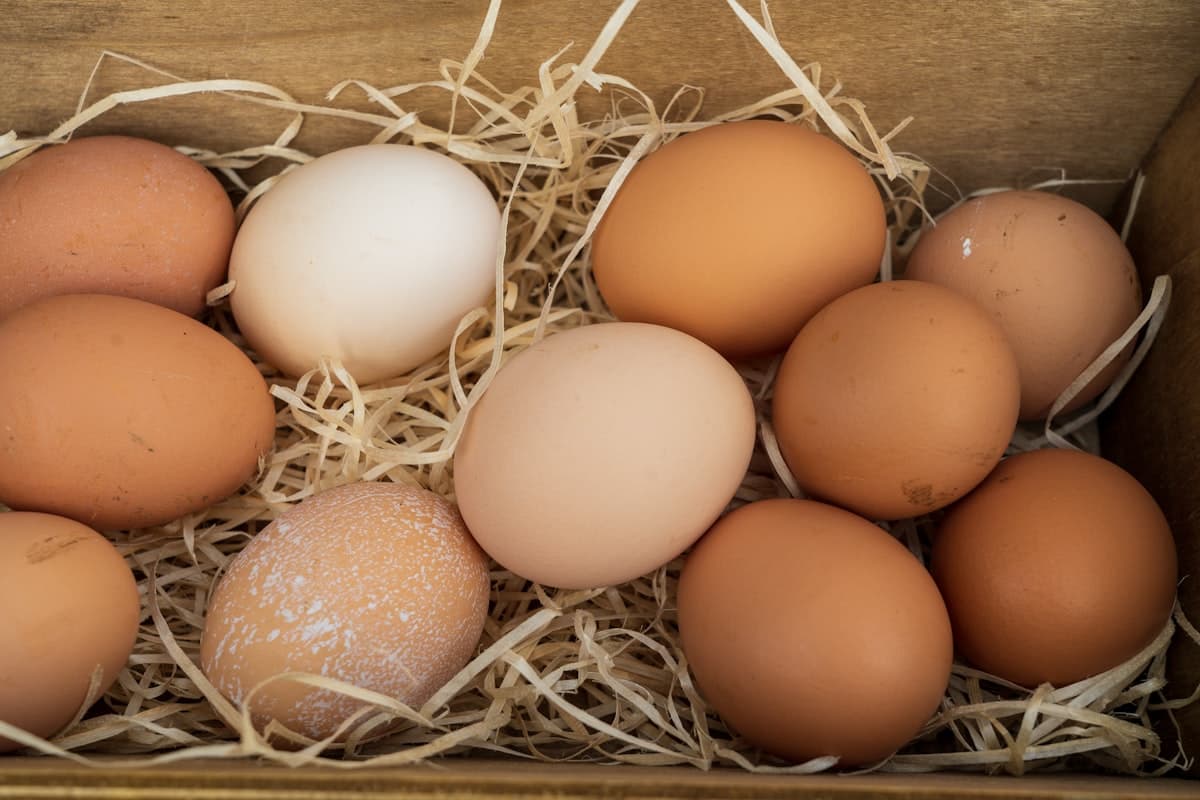
Eggs -- the most nutritionally complete food
Let's start with eggs, because their story is truly fascinating. For 30 years we were told that eggs are bad. Now we know it was one of the biggest mistakes in 20th-century nutrition science.
What does a single egg contain?
A single large egg (about 50 g) is a real treasure trove:
- 6-7 g of high-quality protein -- containing all essential amino acids
- 5 g of healthy fats -- including omega-3 fatty acids (especially from free-range hens)
- Vitamin D -- one of the few natural sources
- Vitamin B12 -- crucial for the nervous system
- Choline -- essential for the brain and liver (most Europeans are deficient!)
- Selenium -- a powerful antioxidant
- Vitamin A -- for healthy eyes and skin
- Iron, phosphorus, zinc -- minerals essential for health
And all of that for roughly 70-80 calories! Find me another food with that kind of nutrient density at that price.
But what about the cholesterol?
Here's what modern science says:
Myth: Eating cholesterol raises blood cholesterol.
Fact: In about 70% of people, dietary cholesterol has minimal impact on blood cholesterol levels. The liver regulates production -- if you eat more, it produces less. It's a self-regulating system.
Moreover -- studies involving hundreds of thousands of people show that eating 1-3 eggs a day:
- Does NOT increase the risk of heart disease in healthy individuals
- Can IMPROVE the lipid profile (more "good" HDL, a better HDL/LDL ratio)
- Helps with weight control (eggs are satiating and reduce appetite)
In 2015, the American Dietary Guidelines officially removed the limit on cholesterol intake. Many Europeans still haven't caught up mentally, but the science is clear.
How many eggs can you eat?
For most healthy adults: 2-3 eggs a day is a safe and healthy amount. Some studies show benefits even with 6 eggs a day.
Exceptions:
- People with genetic hyperlipidaemia (very high cholesterol) -- consult your doctor
- Diabetics -- the research is mixed; it's worth discussing individual tolerance with your doctor
How to choose the best eggs?
Not all eggs are created equal. The quality hierarchy:
- Free-range / pasture-raised eggs -- contain 2-3x more omega-3, more vitamin D and E
- Organic (bio) eggs -- hens fed pesticide-free feed
- Barn eggs (code 2) -- better than caged, but hens don't go outside
- Caged eggs (code 3) -- cheapest, but lowest nutritional quality
Code on the egg: The first digit indicates the rearing system. 0 = organic, 1 = free-range, 2 = barn, 3 = caged.
Meat -- a complete source of protein and iron
Now let's move on to meat. And let me be clear right away -- I'm not advocating eating kilograms of meat daily. But completely excluding meat from your diet means losing access to some of the most bioavailable forms of essential nutrients.
Why is meat so nutritious?
1. Complete protein
Meat provides all 9 essential amino acids in ideal proportions. Your body utilises protein from meat at 94% efficiency -- one of the highest bioavailability scores.
For comparison:
- Protein from meat: 94% bioavailability
- Protein from eggs: 97% bioavailability
- Protein from beans: 78% bioavailability
- Protein from wheat: 86% bioavailability
2. Heme iron -- the key to energy
This is one of the most important arguments for including meat in your diet. Iron comes in two forms:
Heme iron (from meat):
- Absorbed at 15-35%
- Not blocked by other compounds
- Quickly replenishes deficiencies
Non-heme iron (from plants):
How much does your basket cost?
See how much your basket costs across pharmacies — free, no registration
Compare prices- Absorbed at 2-20%
- Blocked by phytates, tannins, calcium
- Requires vitamin C for better absorption
Iron deficiency is one of the most common nutritional deficiencies worldwide -- affecting up to 30% of the population. Symptoms? Chronic fatigue, weakness, pallor, brittle nails, hair loss, difficulty concentrating.
Red meat (beef, lamb) is the best source of heme iron. 100 g of beef provides about 2.5 mg of heme iron -- that's more absorbable iron than from a plate of spinach.
3. Vitamin B12 -- only from animal products
Vitamin B12 is ESSENTIAL for:
- Red blood cell production
- Nervous system function
- DNA synthesis
- Energy metabolism
And here's the key point: The active form of B12 is found ONLY in animal products. Plants don't contain bioavailable B12 (spirulina contains an analogue that may actually block real B12).
B12 deficiency is serious -- it leads to anaemia, neurological problems, and in extreme cases, permanent nerve damage. Vegetarians and vegans who don't supplement are particularly at risk.
4. Zinc -- for immunity and hormones
Meat is an excellent source of zinc -- a mineral crucial for immunity, wound healing, testosterone production, and healthy skin. 100 g of beef provides about 5 mg of zinc (half the daily requirement).
5. Creatine and carnitine
These are two compounds the body can produce on its own, but in limited amounts. Meat provides them ready-made:
- Creatine -- supports brain and muscle function
- Carnitine -- aids fat burning and energy production
Which meats should you choose?
Not all meat is created equal. Here's the hierarchy:
Best choices:
- Grass-fed beef -- more omega-3, more vitamin E and antioxidants
- Game meats (venison, wild boar) -- leanest, most natural
- Lamb -- usually grass-fed
- Free-range chicken -- better fatty acid profile
Good choices:
- Standard beef, pork, poultry -- still a good source of protein and nutrients
Limit:
- Processed meat (sausages, hot dogs, bacon, deli meats) -- high in salt, preservatives, often with additives
How much meat should you eat?
Recommendations vary, but a sensible amount is:
- Red meat: 2-3 portions per week (one portion = 100-150 g)
- Poultry: 2-4 portions per week
- Fish: 2-3 portions per week (for omega-3)
You don't have to eat meat every day. But regularly including it in your diet provides nutrients that are hard to obtain from other sources.
Meat + eggs = the ideal duo
Combining meat and eggs in your diet gives you a complete nutritional profile:
| Nutrient | Eggs | Meat | Together |
|---|---|---|---|
| Complete protein | Yes | Yes | Double source |
| Heme iron | Low | High | Covered |
| B12 | Yes | Yes | Double source |
| Choline | High | Moderate | Covered |
| Zinc | Moderate | High | Covered |
| Vitamin D | Yes | Low | Covered |
| Creatine | Low | High | Covered |
Practical recipes -- how to eat it
Champion's breakfast
Scrambled eggs with vegetables:
- 2-3 eggs
- A tablespoon of butter
- A handful of spinach
- Tomato
- Chives
- Salt, pepper
Simple, satiating, full of nutrients. A breakfast like this will keep you full until lunch.
Energy-packed lunch
Beef steak with vegetables:
- 150 g beef steak (ribeye or fillet)
- Steamed broccoli
- Baked sweet potato
- Rocket salad with olive oil
Iron, zinc, B12 -- all in a single meal.
Quick dinner
Chicken omelette:
- 3 eggs
- 80 g sliced, cooked chicken
- Bell pepper, onion
- A touch of cheese (optional)
Ready in 10 minutes and provides over 40 g of protein.
Who should especially eat meat and eggs?
1. Women of childbearing age
Menstruation means regular iron loss. Women need more iron than men (18 mg vs. 8 mg daily). Iron deficiency among women is epidemic -- up to 30% of women of childbearing age in Europe have low iron levels.
2. Athletes and active people
Intense training increases the need for protein, iron, and zinc. Meat and eggs provide these in the most bioavailable form.
3. Seniors
With age, the body absorbs protein less efficiently. Older adults need more high-quality protein to maintain muscle mass. Meat and eggs are ideal.
4. People with anaemia or B12 deficiency
If you've been diagnosed with iron or B12 deficiency, including meat and eggs in your diet can be more effective than supplementation.
5. Children and adolescents
A growing body needs protein, iron, and all essential nutrients. Eggs and meat support proper development.
What about studies saying meat is unhealthy?
You've probably heard that red meat "causes cancer" or "leads to heart disease". Here's the context:
The problem with the studies
Most studies linking meat to disease are observational (epidemiological). They show correlation, not causation. People who eat a lot of meat often also:
- Smoke more
- Exercise less
- Eat fewer vegetables
- Drink more alcohol
- Eat more processed food
Is meat to blame, or is it the lifestyle? The studies can't separate the two.
Context matters
A steak with vegetables and salad is a completely different thing from a hot dog with chips and a cola. But in studies, they're often lumped together under "meat consumption".
What do better studies say?
Randomised controlled trials (the gold standard) do not show that unprocessed red meat in moderate amounts increases the risk of heart disease or cancer.
Conclusions:
- Avoid PROCESSED meat (sausages, hot dogs, bacon)
- Unprocessed red meat in moderate amounts is safe
- Quality matters -- meat from good sources is better
- Dietary context matters -- eat with vegetables, not with chips
Supplements vs. real food
Can you simply take iron and B12 supplements instead of eating meat and eggs?
Technically -- yes. Practically -- it's not the ideal solution:
- Iron supplements often cause stomach problems (constipation, nausea)
- Iron from food is absorbed alongside other compounds that aid its uptake
- B12 in tablets requires regular intake and may be less well absorbed
- B12 from food is naturally "packaged" with other nutrients that facilitate its use
Supplements make sense when you have a diagnosed deficiency or for some reason cannot eat animal products. But if you can -- real food is better.
Tip: If you do need to supplement, check prices on CheaperForDrug. Iron and B12 supplements can vary in price by 40-50% between pharmacies. The savings over a year can be significant.
Practical tips to wrap up
How to start?
- If you're wary of eggs -- start with 1 per day for a week, then increase to 2. Observe how you feel.
- If you haven't been eating meat -- start with small portions (50-80 g). Give your digestive system time to adapt.
- Combine with vegetables -- meat and eggs pair wonderfully with green vegetables. Vitamin C from vegetables also enhances iron absorption.
How to prepare?
- Eggs: Soft-boiled, fried, hard-boiled, in an omelette -- all methods are healthy. Just avoid deep frying.
- Meat: Roasting, grilling, braising, boiling. Avoid charring (black, burnt bits may contain carcinogens).
How to buy?
- Choose fresh products from trusted sources
- Eggs with code 0 or 1 are the best
- Meat from a local butcher is often better quality than from a supermarket
Summary
Eggs are healthy -- you can eat 2-3 a day without worry. They're packed with protein, choline, vitamin D, and B12.
Meat is valuable -- it provides heme iron, B12, zinc, and complete protein in a form your body absorbs best.
Dietary cholesterol is not the enemy -- your body regulates its own levels.
Quality matters -- choose unprocessed meat and eggs from good sources.
Dietary context is key -- eat meat and eggs with vegetables, not with processed food.
Moderation -- you don't have to eat meat every day, but regularly including it in your diet brings benefits.
Disclaimer
This article is educational in nature and does not replace the advice of a doctor or dietitian. If you have chronic conditions, cholesterol problems, or other health issues, consult a specialist before making dietary changes. Every body is different and may respond individually to various foods.
In conclusion: Eggs and meat are not enemies -- they are allies of your health. For years we lived in fear of them, but science clearly shows that including them in a balanced diet brings benefits. Don't be fooled by myths -- eat what humans have eaten for thousands of years and enjoy good health.
And if you need iron, B12, or other vitamin supplements -- compare prices on CheaperForDrug and save smartly!