Motion Sickness: Medicines and Home Remedies for Nausea While Travelling
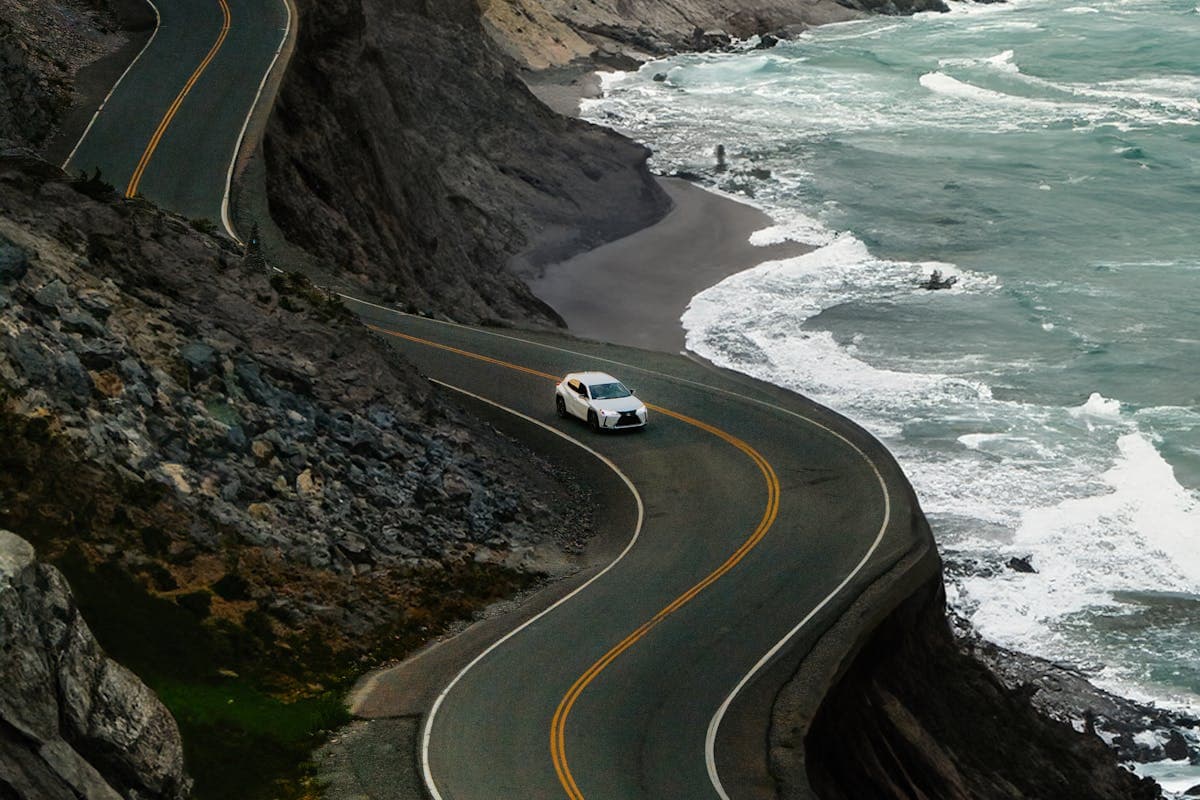
Picture the scene. A family trip, everyone in good spirits, the holiday playlist on the radio. The road begins to twist into mountain switchbacks. And suddenly, from the back seat, you hear a quiet: "Mum, I feel kind of sick." The child's face turns pale, sweat appears on their forehead. You already know what comes next - and you frantically look around for a place where you can stop.
Motion sickness doesn't discriminate. It strikes children and adults alike, in cars, buses, on ships and on planes. It can turn a long-awaited journey into several hours of misery - and that's before the holiday has even properly begun.
The good news is that it can be effectively brought under control. You just need to understand where it comes from, and know what - and, importantly, when - to do something about it. That is exactly what we'll cover in this article.
Why does motion sickness happen?
To fight something effectively, it helps to know what you're dealing with. Motion sickness (also known as kinetosis) is not a whim or a "weak head". It is a real reaction of the body to conflicting signals reaching the brain.
The sense of balance is governed primarily by the vestibular system - an organ in the inner ear that senses movement and the position of the body. The brain combines information from the vestibular system with what the eyes see, as well as with signals from the muscles and joints. When all of these sources "say the same thing", you feel fine.
The problem arises when the signals diverge. A classic example: you are sitting in the car and reading a book. Your eyes see a still page - to them, you are not moving. But the vestibular system perfectly senses the acceleration, braking and cornering. The brain receives two conflicting versions of reality and doesn't know which one to believe.
The brain interprets this "signal conflict" as an alarm situation - and triggers a response we know as nausea, excessive salivation, paleness, cold sweat and a general feeling of being unwell. This is why a passenger gets sick more often than a driver: the driver looks at the road and anticipates the movement, so their signals are in agreement.
Symptoms usually don't appear straight away. First it tends to be a subtle feeling of discomfort, yawning, drowsiness, a mild headache. Then come paleness, sweating, excessive salivation, and finally nausea and possibly vomiting. The sooner you react to the first signals, the easier it is to stop this whole cascade.
Who is most often affected by motion sickness?
Motion sickness can strike anyone, but some people are more prone to it:
- Children, especially of preschool and early school age - this is a group that gets sick exceptionally often. In the youngest infants, the problem is rare.
- People who have already had such episodes before - the susceptibility tends to be a fairly persistent trait.
- Pregnant women - a greater tendency towards nausea can intensify the reaction.
- People who are tired, sleep-deprived or stressed - poorer overall condition makes symptoms more likely.
Interestingly, in many people the susceptibility decreases with age - a child who tolerated every journey badly often copes much better as a teenager or adult.
Over-the-Counter medicines for motion sickness
When home remedies aren't enough, or you know that a particularly difficult route lies ahead, over-the-counter medicines come to the rescue.
Dimenhydrinate - the most popular active substance
The most commonly used substance in over-the-counter (OTC) medicines for motion sickness is dimenhydrinate. It is an antihistamine that acts on the centres in the brain responsible for the vomiting reflex and the processing of signals from the vestibular system. In practice, it "calms" the body's excessive reaction to the signal conflict.
- Tablets - the most common form for adults and older children.
- Forms for children - preparations are available in forms and doses adapted to younger patients; always check the package leaflet to see from what age a given product can be used.
- Chewing gum with an active substance - can be convenient, as it doesn't need to be washed down with water.
Other forms and preparations
Besides dimenhydrinate, you'll find other solutions on the market that help with motion sickness:
- Ginger preparations - available as tablets, lozenges or sweets; ginger is traditionally used for nausea, and its advantage is a mild profile of action.
- Patches and wristbands - various supporting products exist; before use, check the composition and indications on the packaging.
If someone's motion sickness is very severe or standard preparations don't help, it is worth talking to a doctor - prescription solutions are also available.
How much does your basket cost?
See how much your basket costs across pharmacies — free, no registration
Compare pricesWhen should you take the medicine? This is crucial
This is where the most common mistake is made. Many people reach for a tablet only once the nausea has already appeared - and then they are surprised that "the medicine didn't work".
In fact, medicines for motion sickness need to be taken in advance, before you get into the car. It is usually recommended to take the preparation a certain time before the planned departure - you will find the exact interval in the package leaflet of the specific medicine. The point is for the active substance to have time to start working before the body even goes into "alarm mode".
Once the nausea is fully developed, the medicine works much more weakly - and sometimes swallowing and keeping the tablet down simply becomes difficult. The rule is: prevent, don't put out the fire. On longer journeys, also check the package leaflet to see after what time, and whether at all, another dose may be taken.
Home remedies for nausea while travelling
Medicines aren't everything. A lot can be achieved with simple methods - and in milder cases they are often enough. In fact, it's best to combine the approaches.
Ginger
Ginger has been used for generations for nausea. On a journey, ginger sweets, lozenges, ginger tea in a flask or a piece of fresh ginger to chew all work well. It is a gentle and convenient method, especially for people who don't want to reach for medicines straight away.
Body position and looking at the horizon
How you sit makes an enormous difference. A few simple rules:
- Look ahead, at the horizon or a distant, motionless point - this way the eyes "see" the movement and stop arguing with the vestibular system.
- Choose seats where the movement is felt the least: at the front in a car, closer to the middle in a bus, in the central part of a ship, by the wing on a plane.
- Tilt your head back and rest it comfortably - fewer involuntary head movements mean fewer signals irritating the vestibular system.
- If possible, gently closing your eyes and having a nap also help - a sleeping brain doesn't process the signal conflict.
Fresh air and ventilation
A stuffy, hot interior and intense smells (perfume, food, the air freshener "tree" in the car) intensify nausea. Open a window slightly, switch on the fresh air vent, take breaks to stretch your legs and catch your breath.
What to eat before and during the journey?
- Before setting off, eat a light meal - travelling on a completely empty stomach can be just as bad as after a hearty, fatty meal.
- Avoid heavy, fatty and heavily spiced dishes right before departure.
- During the journey, sip water in small mouthfuls; dry crackers or biscuits often help.
- Cut back on heavily sweetened carbonated drinks.
Don't read and don't look at your phone
This is probably the most important home rule. Reading a book, scrolling through your phone or watching a film in a moving car is practically a recipe for nausea - the eyes are focused on a motionless screen, while the vestibular system registers the movement. If someone is prone to motion sickness, it is better to put the screen away on a journey and look out of the window. Listening to music or an audiobook is absolutely fine.
How to plan a journey to limit nausea?
A lot depends on how you organise the journey itself. A few decisions made before departure can noticeably reduce the risk.
- Plan stops - regular breaks in the fresh air allow the body to "reset". When travelling with a child prone to nausea, stops at regular intervals are a good strategy.
- Set off rested - tiredness and lack of sleep intensify the symptoms. If possible, avoid starting a journey right after a sleepless night.
- Consider the time of departure - some families with small children choose to travel at the hours when the little one usually sleeps anyway; a slept-through journey is a journey without nausea.
- Take care of temperature and air - a cooler, well-ventilated interior is tolerated much better than a stuffy and hot one.
- Keep an "emergency kit" to hand - tissues, bags, water, a change of clothes. Simply being aware that you are prepared reduces stress, and stress also intensifies the symptoms.
If you know the route will be exceptionally difficult - long switchbacks, a ferry crossing - combine the approaches: a medicine taken in advance plus the consistent use of home methods give the best effect.
Safety - what to keep in mind
Medicines for motion sickness are widely available and helpful, but like all medicines they require common sense.
Drowsiness - special attention for drivers
The most common side effect of the antihistamines used for motion sickness is drowsiness, as well as slowed reactions. For a passenger, this can actually be an advantage - it's easier to fall asleep and sleep through the difficult stretch. But for a driver it is a serious risk.
If you are driving a car, do not take medicines that may cause drowsiness - they may impair the ability to drive vehicles. Always check this information in the package leaflet. A driver prone to nausea should rather rely on home methods or - after consulting a doctor or pharmacist - on solutions that do not affect performance behind the wheel.
Dosing in children and age
In children, the question of dosing and age is absolutely crucial. A few rules:
- Never divide an adult dose "by eye" - a child needs a preparation and a dose intended for their age and weight.
- Every preparation has a set lower age limit - you will find it in the package leaflet. Many medicines are not intended for the youngest children.
- For small children, it is worth consulting a pharmacist or doctor before giving any medicine for motion sickness.
- For children, non-pharmacological methods work particularly well: stops, fresh air, looking out of the window, a nap, a light meal before the journey.
Other situations requiring caution
Pregnant women, those breastfeeding, people taking other medicines or with chronic illnesses should consult a doctor or pharmacist before using a preparation for motion sickness. Antihistamines should also not be combined with alcohol.
Frequently asked questions
When should you take a tablet for motion sickness so that it works?
In advance - before you set off on the journey, and not when the nausea has already appeared. The exact interval before the journey is given in the package leaflet of the specific medicine. The active substance needs time to start working. Taken too late, when the nausea is already developed, it works much more weakly.
From what age can children be given medicines for motion sickness?
It depends on the specific preparation - each has a set lower age limit given in the package leaflet. Many medicines are not intended for the youngest children. Before giving a medicine to a small child, consult a pharmacist or doctor, and never divide a dose intended for adults yourself.
Can I drive a car after taking a medicine for motion sickness?
Medicines for motion sickness containing antihistamine substances often cause drowsiness and may impair the ability to drive vehicles. If you are a driver, check this information in the package leaflet - and if in doubt, rely on home methods or consult the solution with a pharmacist.
Does ginger really help with nausea while travelling?
Ginger is traditionally used for nausea, and many people feel relief after it. It is a gentle method that is easy to use on a journey - in the form of sweets, lozenges, tea or the fresh root. It is best to treat it as a supplement to other methods, and in the case of severe motion sickness to also consider an over-the-counter medicine.
Why does motion sickness affect the driver less often than the passenger?
The driver looks at the road and anticipates the movement of the vehicle - acceleration, braking, corners. Thanks to this, the signals from the eyes and from the vestibular system are in agreement with each other, and there is no "conflict" that triggers nausea. A passenger, especially one looking to the side or at their phone, does not have this agreement.
Summary - what is worth remembering?
✅ Motion sickness is a signal conflict - the eyes "see" something different from what the vestibular system senses, and the brain reacts with nausea.
✅ Dimenhydrinate is the most popular substance in over-the-counter medicines for motion sickness - available in tablets, chewing gum and forms for children.
✅ Take the medicine in advance - before you get into the car, not when the nausea is already there. This is the most common mistake.
✅ Home remedies work - ginger, looking at the horizon, fresh air, a light meal and putting the phone away.
✅ Driver, watch out for drowsiness - antihistamines may impair the ability to drive; check the package leaflet.
✅ In children, dosing and age are crucial - never divide an adult dose, check the package leaflet and ask the pharmacist.
Disclaimer
This article is educational in nature and does not replace medical or pharmaceutical consultation. Before using medicines for motion sickness - especially in children, pregnant women, those breastfeeding or people taking other medicines - consult a doctor or pharmacist. Always read the package leaflet, check the dosing, the lower age limit and information about the influence on the ability to drive vehicles. If the nausea is very severe or recurring, discuss the problem with a doctor.
Motion sickness doesn't have to rule your trips - with a little knowledge and preparation, it can be effectively brought under control. Preparations for motion sickness are one of the items in the holiday first-aid kit that is worth assembling along with the rest - painkillers, allergy medicines, ones for bites or for diarrhoea. At CheaperForDrug you put your entire travel first-aid kit into a single basket and compare how much this complete set costs in various online pharmacies at once. Because real savings come from comparing the WHOLE basket - not a single pack of tablets. Plan the first-aid kit calmly, compare the whole set and set off on the road without nausea and without overpaying. Have a safe journey!