Tanning supplements: does beta-carotene really work?
It's late May. In two weeks you're off on holiday by the sea. You're browsing an online pharmacy and you see a banner: "Prepare your skin for the sun - a tan from the inside!". On the box, a smiling person with a golden, even complexion. Beta-carotene in the ingredients, and a promise in the description of "a more beautiful and faster tan" plus "protection from the sun".
It sounds tempting. You take the pill for two weeks, your skin colours nicely, and then you lie on the beach feeling relaxed, because after all "the supplement protects you". And here's the problem - because half of that promise is marketing, and the other half can be downright dangerous.
Tanning supplements are one of the most profitable seasonal products in pharmacies and drugstores. Every year they come back with a new label. Today we'll honestly check what carotenoids can really do, what they can't, and which advertising slogans you need to watch out for before you spend your money.
What are "tanning pills"
Behind terms like "tanning supplements", "tanning activators" or "a tan in a capsule" you'll usually find a handful of the same ingredients. It's worth knowing them by name, because they're the ones that return to the packaging every season.
Beta-carotene
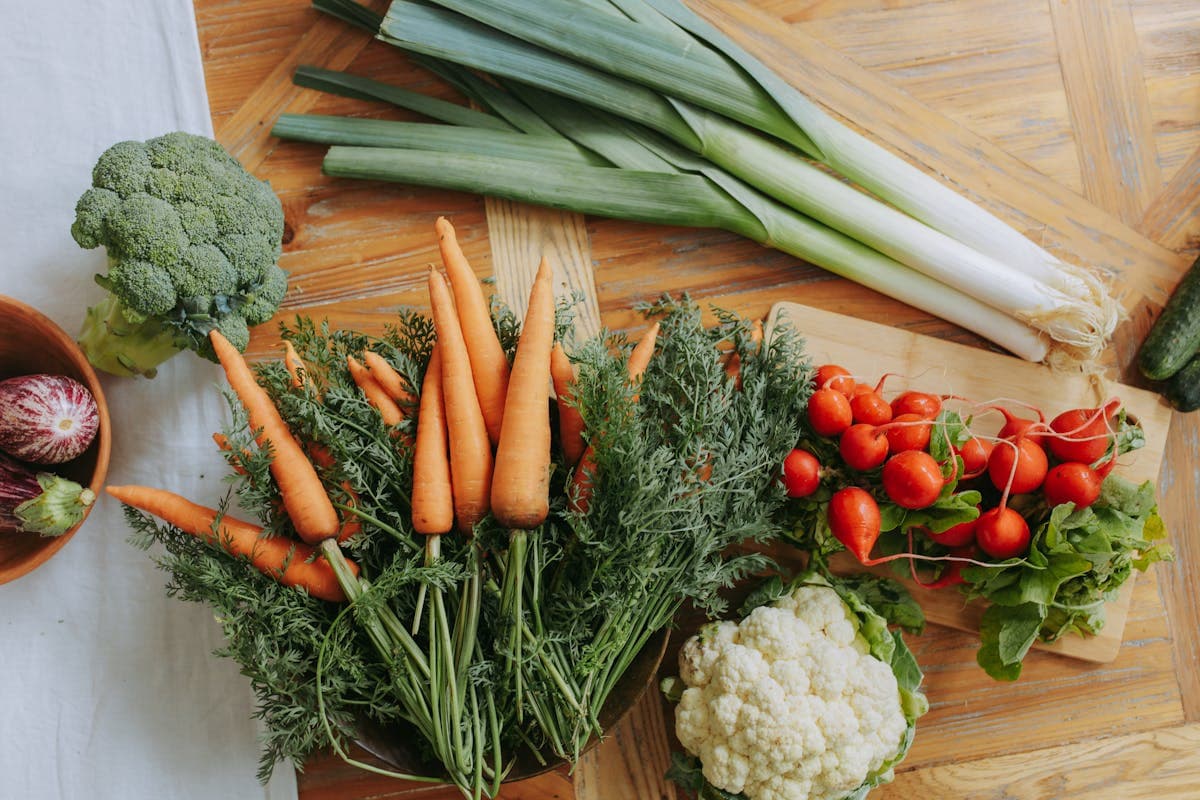
This is the most common ingredient. Beta-carotene is an orange-yellow plant pigment (you'll find it in carrots, pumpkin, sweet potatoes) and a precursor of vitamin A - the body can convert it into vitamin A when it needs it. As a pigment it has a real property: in higher doses it accumulates in the subcutaneous fat and can slightly shift the skin tone towards a "warmer", yellowish-golden shade.
Canthaxanthin
Canthaxanthin is another carotenoid, once used in so-called "tanning pills" that were meant to give the skin a brown colour without the sun. It is the ingredient around which the most safety signals appeared - we'll come back to it separately, because this matters.
Other carotenoids and additives
On the labels you'll also come across lycopene (the red pigment from tomatoes), lutein, astaxanthin, plus vitamin E, vitamin C, selenium or plant extracts. Manufacturers often combine them into a single product and describe it as a "sun complex" or "antioxidant skin protection".
The mere fact that an ingredient is natural and occurs in vegetables does not mean the pill will do what the ad promises. What counts is the dose, the form and - above all - whether studies confirm a specific effect.
What science really says
Let's separate two things that advertising likes to blur into one: changing skin colour and protecting against the sun. These are not the same thing.
Beta-carotene can slightly change skin tone
This actually has a basis. Taken regularly over weeks, beta-carotene accumulates in the skin and can give it a slightly warmer, golden tone. But be careful - this is not a tan in the biological sense. A real tan is melanin, a pigment produced by the skin in response to radiation. Beta-carotene is simply a pigment deposited in the tissue. The effect is subtle, often visible mainly on the hands, face and soles of the feet, and tends to be more yellowish than brown.
The supplement does NOT protect against UV radiation
This is the most important sentence in the whole article. Carotenoids in a pill do not replace sunscreen. They don't create a barrier on or in the skin that stops UVB and UVA radiation the way a sunscreen does. Yes, they are antioxidants and could in theory slightly support the skin in coping with the oxidative stress caused by the sun - but that support is marginal and absolutely not comparable to the protection that SPF provides.
To put it plainly: if you take a "tanning pill" and go to the beach without sunscreen, you'll burn in exactly the same way as without the supplement. The risk of sunburn and - in the long term - of skin damage and skin cancer remains the same.
"A faster tan" is a myth
The supplement does not speed up melanin production. It won't make you tan in an hour instead of three days. If your skin looks darker after weeks of taking beta-carotene, that's the effect of the pigment, not of more efficient tanning.
Where the risk lies
Here it gets serious. "Natural carotenoid" sounds innocent, but high doses in supplements are a completely different story from a carrot in your soup.
How much does your basket cost?
See how much your basket costs across pharmacies — free, no registration
Compare pricesCanthaxanthin - crystals in the retina of the eye
Canthaxanthin taken in high doses over a longer period can accumulate in the retina of the eye as tiny, glistening deposits - described as "canthaxanthin retinopathy" or "golden dust" in the retina. This is exactly the reason why canthaxanthin-based "tanning pills" disappeared from the legal, responsible market as a product for colouring the skin. If you see a supplement that promises brown skin without the sun and has canthaxanthin in its ingredients - that's a strong warning sign. Put it down.
Beta-carotene in high doses in smokers
This is one of the best-documented warning signals in the entire field of supplements. Large studies on high-dose beta-carotene produced a surprising and worrying result: in people who smoke cigarettes and in people occupationally exposed to asbestos, supplementation with high doses of beta-carotene was associated with an increased risk of lung cancer, rather than a decrease, as had initially been assumed. That is why smokers and former smokers should be especially careful to avoid high-dose beta-carotene supplements and talk to a doctor about it.
Carotenodermia - orange skin
With really high doses of carotenoids, the skin can take on a distinctly orange or yellowish tone - a condition called carotenodermia. It is not dangerous in itself and resolves after stopping, but the effect is often far from the "beautiful golden tan" of the advert. It shows up most on the hands and face, and the yellowish skin tone can be mistaken for jaundice (the difference: in carotenodermia the whites of the eyes stay white).
Interactions and caution groups
Beta-carotene and other carotenoids can interact with some medicines, and high doses of vitamin A (which beta-carotene converts into) are especially risky in pregnancy. If you are pregnant, breastfeeding, taking medication long-term or have a liver disease - do not reach for such supplements without talking to a doctor or pharmacist.
A carrot on your plate and a capsule - not the same thing
This is a good point to clear up a common misunderstanding. "But beta-carotene is in carrots, and carrots are healthy" - that's true, but it doesn't mean a high-dose pill is simply "concentrated carrot".
Carotenoids from food enter the body in natural company: together with fibre, fats, other antioxidants and in amounts the body can sensibly absorb and use. What's more, the absorption of carotenoids from vegetables is naturally limited - the body does not take them up in unlimited amounts. That is why it is practically impossible to "overdose" on beta-carotene by eating vegetables.
A pill is a different story. It delivers a concentrated, isolated dose, often much higher than anything you would eat off a plate. And it is precisely these high, isolated doses - not carotenoids in general - that are the source of the warning signals described above. In short: a healthy, colourful diet is a great idea; a high-dose tanning supplement is a completely separate decision that's worth thinking through carefully.
How much is a "high dose"
There is no point giving specific milligrams here, because the doses in supplements vary widely, and the safety threshold depends on the person, their health and whether they smoke cigarettes. The practical tip is different: if a supplement advertises itself with the slogan "intense tan" or "mega dose", that's a sign it's betting on quantity. That's a good moment to show the box to a pharmacist and ask directly whether that dose is sensible for you.
Which advertising slogans to watch out for
The marketing of "sun" supplements is clever. Here are the phrases that should make a red light go on:
- "Protects against the sun" / "UV protection from the inside" - no supplement replaces sunscreen. This is misleading.
- "A tan without the sun" / "brown skin from a pill" - if there's canthaxanthin in the ingredients, stay away.
- "A faster and deeper tan" - the supplement does not speed up melanin production.
- "You can skip the cream" - untrue and potentially dangerous.
- "Natural, so safe at any dose" - the dose matters; high doses of carotenoids are not harmless.
- "Clinically tested" without saying what exactly was tested - often it was the ingredient itself that was tested, not the effect promised on the box.
A good rule: if a supplement's advertising suggests that thanks to it you can pay less attention to real protection from the sun - then it's not a product worth trusting.
What really protects your skin in summer
If a supplement isn't the solution, then what is? Fortunately the basics are simple, cheap and genuinely effective.
Sunscreen is the foundation
A cream with a filter at an appropriate SPF and with UVA protection is the only method that genuinely reduces the dose of radiation reaching the skin. Apply it generously, reapply it roughly every 2 hours during long exposure and after swimming and sweating. It is the sunscreen, not the pill, that is "protection from the sun".
Sensible exposure
Avoid the sun during the hours of strongest sunlight (usually roughly between 11 a.m. and 4 p.m.), seek shade, wear a head covering, sunglasses and clothing made of dense fabric. The skin doesn't need to be burnt to tan - a tan acquired slowly is also longer-lasting.
A diet rich in vegetables and fruit
Carotenoids from food - carrots, peppers, tomatoes, pumpkin, green leafy vegetables, apricots - are a great part of a healthy diet. They deliver carotenoids in safe, physiological amounts, together with fibre and other components. This is a far more sensible source than a high-dose capsule.
After the sun - moisturising and observing your skin
After a day in the sun, take care to moisturise your skin and hydrate your body. Also keep an eye on moles and birthmarks - if any of them changes, grows, itches or bleeds, show it to a dermatologist. That matters more for skin health than any supplement.
Frequently asked questions
Does beta-carotene make sense at all?
Beta-carotene as part of the diet is absolutely necessary - it is a precursor of vitamin A. The problem doesn't lie in the ingredient itself, but in the promise that a high-dose tanning pill will replace sun protection. It won't. If you eat a varied diet, you have plenty of carotenoids from food.
Will the supplement help me not to burn?
Not in a way you can rely on. The risk of sunburn is reduced by a cream with a filter, shade, clothing and avoiding the sun during the hours of strongest sunlight - not a capsule with carotenoids.
Are tanning pills legal and safe?
Supplements with beta-carotene are legally available, but "safe" depends on the dose, the composition and who is taking them. High doses, products with canthaxanthin for colouring the skin, and use in smokers are situations of heightened risk. Ask a pharmacist before buying.
I have a fair complexion and burn easily - will a supplement help me?
Unfortunately not. People with a fair complexion need especially careful external protection: a high SPF, shade and clothing. Here the supplement does not change the equation - at most it can slightly change the skin tone, but not the level of protection.
Can I take beta-carotene if I've quit smoking?
The signals about increased risk concerned smokers and former smokers, so it's worth treating high-dose beta-carotene with caution even after quitting smoking. It's best to discuss this individually with a doctor.
Summary - what's worth remembering?
✅ Tanning supplements do not protect against UV radiation - they don't replace sunscreen.
✅ Beta-carotene can slightly change skin tone - but it's a pigment deposited in the skin, not a real tan.
✅ "A faster tan from a pill" is a myth - the supplement does not speed up melanin production.
✅ Canthaxanthin in high doses is risky - it can accumulate in the retina of the eye. Avoid products that colour the skin.
✅ Beta-carotene in high doses in smokers was associated with an increased risk of lung cancer - smokers should avoid it.
✅ Watch out for slogans like "UV protection from the inside" or "you can skip the cream" - that's misleading marketing.
✅ Real protection is sunscreen, shade, clothing, sensible hours and a diet rich in vegetables - not a capsule.
Disclaimer
This information is educational in nature and does not replace a consultation with a doctor, dermatologist or pharmacist. If you are considering supplementation, are pregnant, breastfeeding, smoke cigarettes, take medication long-term or have a chronic illness - discuss the decision with a specialist. Show any worrying skin changes to a dermatologist. Never give up sun protection in favour of a supplement.
The best protection from the sun is not hidden in a capsule - it's hidden in a good cream with a filter, in shade and in common sense. Before you spend money on "a tan from a pill", invest it where it really works.
And when you're putting together your summer medicine kit - sunscreen, after-sun cream, something for chafing, an insect repellent - drop everything into one basket and compare it on CheaperForDrug. We check the price of the whole basket across various online pharmacies at once, because real savings come from comparing your entire shopping, not a single product. Look after your skin wisely - and your wallet too.